


World Prostate Cancer Day, observed every June 11, reminds us how important it is to take care of ourselves and detect this common men’s disease early. It’s an opportunity to learn about prevention, early detection, and treatments aimed at improving quality of life.
What is prostate cancer and how does it develop?
Prostate cancer arises when cells in this gland begin to grow uncontrollably. It’s the most common cancer in men and often goes unnoticed in its early stages. That’s why early detection through screening significantly increases the chances of successful treatment.
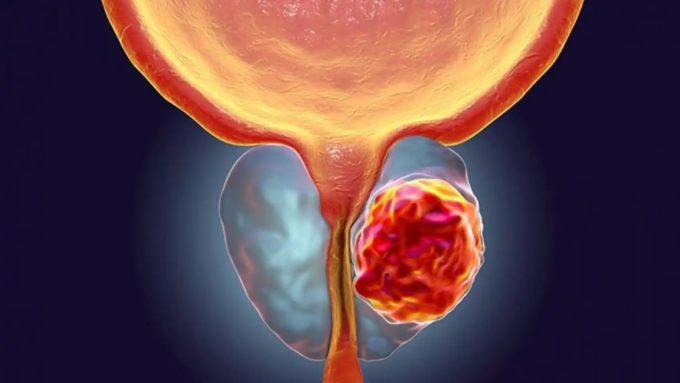
The importance of early detection
A simple PSA blood test and a digital rectal exam can reveal changes before you notice symptoms. If you’re over 50 or have a family history, talk to your doctor about scheduling screening. In some cases, and always under medical supervision, 5-alpha reductase inhibitors help reduce risk.
Symptoms and warning signs
In advanced stages you may experience difficulty urinating, weak flow, blood in urine or semen, and pelvic or lower back pain. If you notice any of these signs, avoid self-medicating and seek professional care as soon as possible.
Risk factors
Your age (over 50), having a first-degree relative diagnosed, being of African American descent, a high-fat diet, obesity, and certain occupational exposures increase risk. A healthy lifestyle—balanced diet, moderate exercise at least 150 minutes a week, and quitting smoking—can make a difference.

Prevention with healthy habits
A diet rich in fruits, vegetables, and whole grains, low in red meat and saturated fats, along with maintaining a healthy BMI and regular exercise, helps protect your prostate. Always consult your doctor before taking supplements or making drastic dietary changes.
Treatment options
Treatment varies depending on cancer stage, your age, and preferences. It may include active surveillance, surgery (prostatectomy), radiotherapy, hormone therapy, chemotherapy, or a combination. If you’re trying to increase your chances of pregnancy, it’s essential to consult a reproductive specialist before deciding on any treatment.
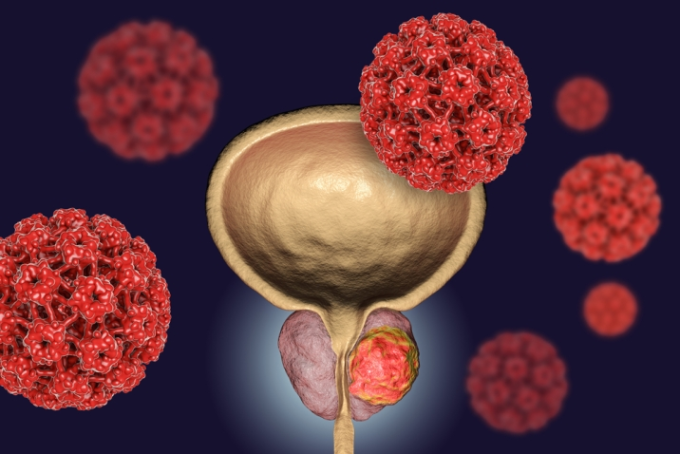
World Prostate Cancer Day invites us to take control of our health. Stay informed, get regular check-ups, and adopt a healthy lifestyle. At Ingenes we’re with you: check our special resources and expert articles to learn more.
Frequently Asked Questions (FAQ)
1. When should PSA testing begin?
Most guidelines recommend starting at age 50. If you have a family history or belong to a higher-risk group (African Americans), begin at 45. PSA measures prostate antigen in blood; values above 4 ng/mL often require further tests like transrectal ultrasound or biopsy. A high result doesn’t always mean cancer, so interpret data with a specialist.
2. Side effects of radiotherapy
It can cause fatigue, bladder irritation, increased urination, and mild diarrhea. In some cases, erectile dysfunction or urethral stricture may occur, but these are usually temporary and manageable with medication or sexual therapy. Discuss with your oncologist and follow recommendations to minimize effects.
3. How effective is active surveillance?
For low-risk or slow-growing cancers, it involves periodic PSA monitoring, physical exams, and biopsies. Over 80% of patients avoid aggressive treatment for at least 10 years. It requires commitment to appointments and healthy habits, allowing treatment initiation if the disease progresses.
4. Dietary influence
Saturated fats and red meat may increase advanced prostate cancer risk. In contrast, tomato lycopene, broccoli sulforaphane, and green tea catechins offer protection. A Mediterranean pattern—olive oil, fish, fruits, and vegetables—is linked to lower incidence. Consult a nutritionist to adapt this diet to your life.
Sources
- National Cancer Institute. (2023). Prostate-Specific Antigen (PSA) Test. https://www.cancer.gov/types/prostate/psa-fact-sheet
- American Cancer Society. (2022). Prostate Cancer Early Detection. https://doi.org/10.3322/caac.21684
- MedlinePlus. (2023). Prostate Cancer. https://medlineplus.gov/prostatecancer.html
- World Health Organization. (2021). Cancer prevention. https://www.who.int/news-room/fact-sheets/detail/cancer
Remember that each body is unique. You have our support—don’t hesitate to consult a reproductive specialist to address your concerns and receive the guidance you need.