

Progesterone is an essential hormone on your journey to parenthood, responsible for regulating the menstrual cycle and supporting pregnancy. It is produced mainly by your ovaries after ovulation and, in smaller amounts, by the adrenal glands. Its role is to prepare the uterine lining for embryo implantation and maintain a stable environment during gestation. Do not self-medicate: always consult a professional.
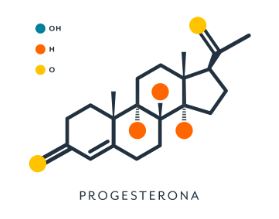
What is progesterone and what is it for?
Progesterone plays a key role in your body:
- Regulates your menstrual cycle.
- Prepares the endometrium for implantation of the fertilized egg.
- Maintains the uterine lining during pregnancy.
- Prevents premature contractions.
If you are looking to improve your chances of pregnancy, speak with a specialist in Assisted Reproduction. Learn more about this fertility treatment.
Progesterone production in the body
In women, progesterone is synthesized in:
- Ovaries: the corpus luteum produces it after ovulation.
- Placenta: during pregnancy, up to 200 mg/day in the third trimester.
- Adrenal glands: in both sexes, less than 1 mg/day.
Common side effects
When taking progesterone supplements, you may experience:
- Mood swings or feelings of sadness.
- Breast pain or tenderness.
- Fatigue and drowsiness.
- Headaches or migraines.
- Nausea and digestive discomfort.
- Fluid retention and weight fluctuations.
- Irregular bleeding or spotting.
- Very low risk of thrombosis.

Why do these effects occur?
- Nervous system: alters neurotransmitters, causing emotional changes.
- Digestive system: slows gastric emptying and intestinal transit.
- Fluid retention: excess sodium and water cause swelling.
The administration route (oral, 100 mg vaginal suppositories, 25 mg/mL injectable) and your individual sensitivity influence symptom intensity.
Managing side effects
If you notice discomfort, consult your specialist to adjust the dose or change the progesterone form:
- Keep a symptom diary: frequency and intensity will help your doctor personalize the treatment.
- Maintain healthy habits: a balanced diet, exercise, and rest improve overall well-being.
- Practice relaxation techniques: yoga, meditation, or mindful breathing to reduce anxiety.
- Seek emotional support: talking with family, friends, or groups will make you feel understood.
Discover more specialized recommendations.
Perspectives in assisted reproduction
In fertility, progesterone optimizes uterine receptivity and increases implantation rates. Protocols vary: from 200 mg/day vaginally to 50 mg intramuscularly every 24 h. With the support of assisted reproduction professionals, the dose is adjusted to balance efficacy and comfort.
Frequently Asked Questions
1. Does progesterone cause weight gain?
Fluid retention can cause moderate, temporary weight gain. Maintain a balanced diet and regular exercise. If significant, consult your doctor to adjust the regimen.
2. Is it safe to use progesterone during the first trimester?
It is often prescribed until weeks 12–14 with doses of 200–400 mg/day vaginally to prevent miscarriage. Each case is unique: your specialist will define duration and dose.
3. What alternatives exist if I cannot tolerate the oral route?
You can use 100–200 mg vaginal suppositories every 12–24 h or 25–50 mg/mL intramuscular injections, which reduce systemic effects and act directly on the uterus.
4. Can I become pregnant if I have strong side effects?
Side effects do not prevent pregnancy. With adjustments and medical follow-up, you can continue treatment without affecting implantation or embryonic development.
Sources consulted
- MedlinePlus. Progesterone. https://medlineplus.gov/druginfo/meds/a604017.html
- ACOG Practice Bulletin No. 193: Use of Progesterone for Prevention of Preterm Birth. Obstetr Gynecol, 2018.
- Fertility and Sterility. 2020;114(2):259-270. doi.org/10.1016/j.fertnstert.2020.12.020
- WHO. Progesterone for the prevention of preeclampsia. 2019.
We understand and support you in this process. For personalized and safe guidance, always consult a fertilization specialist. Best of luck on your path to parenthood!