

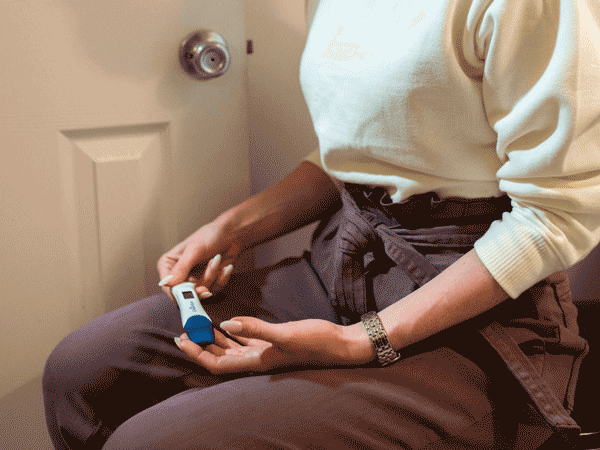
The Human Papillomavirus (HPV) is one of the most common sexually transmitted infections worldwide. If you’re pregnant or planning for a baby, it’s natural to wonder how HPV might affect your pregnancy and your little one’s health. Here we clear up those doubts.

What is HPV and how does it affect pregnancy?
HPV includes more than 200 different viruses. Some cause warts and, in very rare cases, can lead to cancer. Most infections clear on their own within 12 to 24 months without symptoms. Knowing your specific strain helps you and your doctor make the best decisions for your reproductive health.
Studies show that HPV itself usually doesn’t complicate pregnancy. Only certain high-risk strains slightly increase the likelihood of preterm birth. The good news is that the vast majority of women with HPV have healthy pregnancies and babies.
How does HPV influence pregnancy outcomes?
Some research suggests that persistent HPV may be associated with premature rupture of membranes before term (PPROM). But every body is different: your immune system, possible co-infections, and the quality of your prenatal care make a difference. Staying up to date with your appointments helps catch and address any changes early.
At Ingenes we focus on personalized care. Avoid self-medication and always consult a reproductive health specialist before starting any treatment. Do not take medications without medical supervision.


Can HPV be transmitted to the baby during delivery?
Vertical transmission is rare but possible. If it occurs, the newborn could develop laryngeal papillomatosis (warts in the airway) or skin lesions. Early diagnosis and follow-up with a specialist pediatrician allow timely treatment and fewer complications.
If your HPV test is positive, discuss delivery options with your obstetrician. In some cases, a cesarean may be considered to reduce exposure, although most vaginal births proceed without issues.
How can I protect myself from HPV before and during pregnancy?
The HPV vaccine is the most effective tool. It’s recommended before becoming sexually active and covers high-risk strains linked to cervical cancer. If you’re pregnant, vaccination is usually postponed until after delivery. Consult your gynecologist before starting any treatment.
Also, using barrier methods (condoms) in every sexual encounter and getting regular tests (Pap smears and HPV DNA) strengthens your defense. For more details on fertility, check our article Human Papillomavirus (HPV) and Fertility. To learn how other infections interact with assisted reproduction, explore Coronavirus and Assisted Reproduction: What You Need to Know.
Frequently Asked Questions
Can HPV Increase the Risk of Preterm Birth?
Some studies indicate that high-risk strains might slightly raise the chance of premature rupture of membranes (PPROM), which can trigger early delivery. However, your overall health, nutrition, and prenatal care are key factors. Keep your appointments on schedule and consult your doctor if you test positive.
Is the HPV Vaccine Safe During Pregnancy?
Current guidelines recommend postponing vaccination until after delivery, as safety data in pregnancy are limited. If you start the series and then discover you’re pregnant, complete it postpartum. Talk to your gynecologist to plan the best timing.
What Should I Do If I Test Positive for HPV While Trying to Conceive?
It’s normal to feel concerned. First, don’t self-medicate: see a reproductive health specialist for colposcopy or HPV typing. This will identify any high-risk strains and guide monitoring. Also support your immune health with a balanced diet, moderate exercise, and stress management.
How Often Should I Get HPV Tests?
It depends on your age and previous results. Between ages 21 and 29, a Pap smear every three years is recommended. From 30 to 65, co-testing (Pap smear plus HPV DNA) every five years offers greater sensitivity. If you have a history of abnormal results or immunosuppression, your doctor may suggest more frequent monitoring.
Sources
- Centers for Disease Control and Prevention. (2023). Human Papillomavirus (HPV) Vaccination: What Everyone Should Know. https://www.cdc.gov/hpv/parents/vaccine.html
- National Cancer Institute. (2022). Cervical Cancer Prevention (PDQ®)–Health Professional Version. https://doi.org/10.1038/s41572-021-00370-0
- World Health Organization. (2021). Human papillomavirus (HPV) and cervical cancer. https://www.who.int/news-room/fact-sheets/detail/human-papillomavirus-(hpv)-and-cervical-cancer
- MedlinePlus. (2023). HPV and Pregnancy. https://medlineplus.gov/hpvpregnancy.html
We know this journey can bring uncertainty. Stay calm, trust your medical team, and share your questions at every visit. If you have specific concerns or are seeking an assisted reproduction plan, consult a fertility specialist. We’re with you every step of the way!