

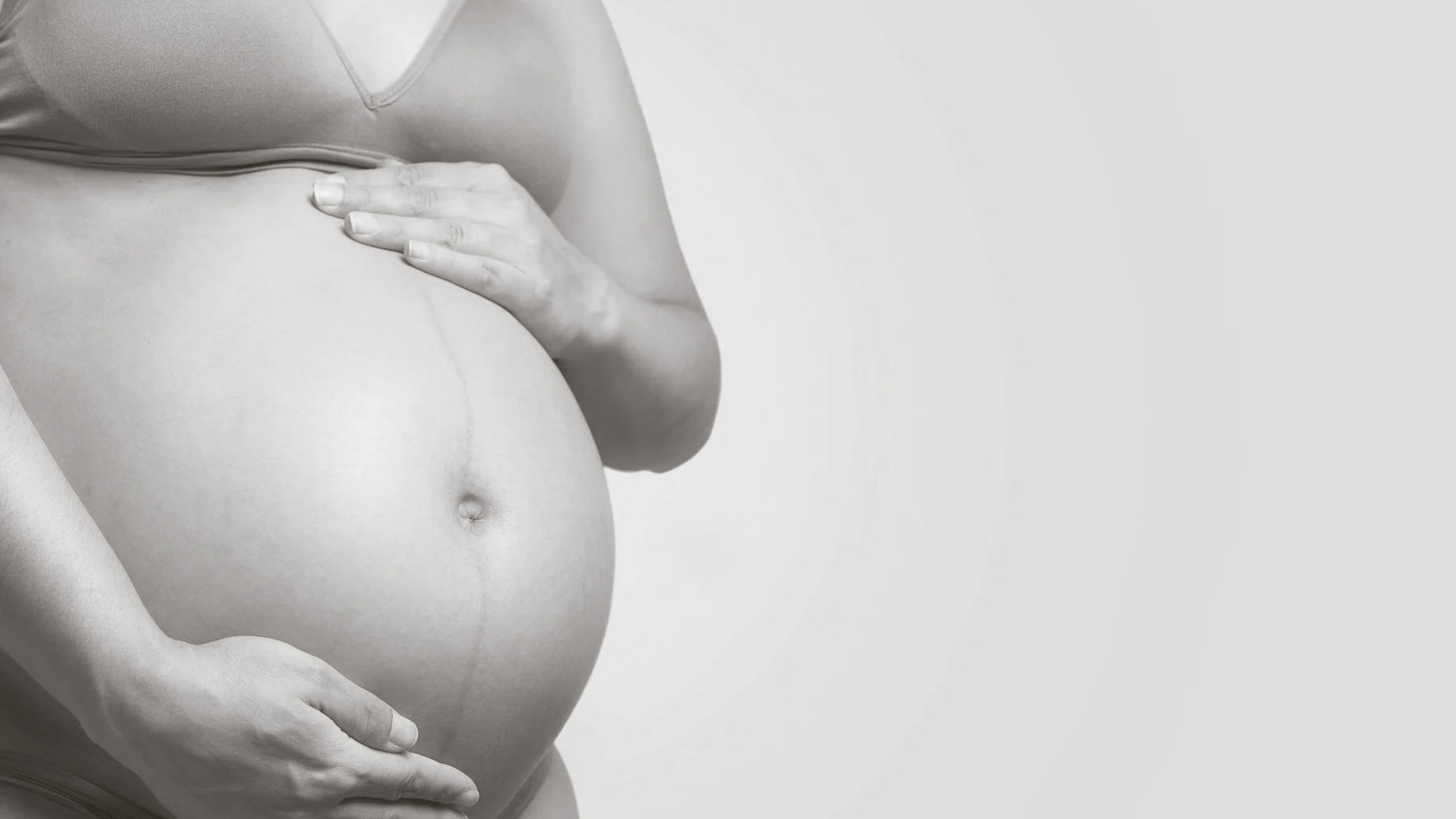
Alcohol consumption is part of our social life, but when we seek to start a family, it can become an obstacle. Here we explain how alcohol affects fertility in women and men, and why reducing it is a key step.
Effects of alcohol on female fertility and practical solutions
In women, alcohol can disrupt your hormones, cause irregular cycles, and reduce egg quality. Studies show that more than five drinks per week decrease the chances of conceiving. Daily consumption of over 140 ml of wine or 350 ml of beer is associated with a lower ovarian reserve and reduced success rates in IVF.
If you have PCOS (10% of women of reproductive age), alcohol can worsen hormonal imbalances and insulin resistance, making natural conception even more difficult.
Impact of alcohol on male fertility and sperm quality
In men, alcohol can reduce sperm count by up to 33% and impair motility. According to the British Medical Journal, habitual consumption alters testicular function and lowers testosterone.
Additionally, alcohol affects libido and erectile function. A study in The Journal of Sexual Medicine links excessive intake to higher rates of erectile dysfunction, creating emotional tension in the couple.

Strategies to reduce alcohol consumption
Set limits: replace one daily drink with sparkling water or herbal tea. Keep a journal to identify habits and seek support—from friends, family, or local groups.
Do not self-medicate. If you feel you need professional help to moderate consumption, consult a reproductive health specialist or an addiction counselor.
Healthy lifestyle to boost your fertility
A diet rich in folate, antioxidants, and healthy fats improves egg and sperm quality. Aim for 150 minutes of moderate exercise per week and avoid tobacco and recreational drugs, which damage reproductive cells.
In our Tips for Improving Fertility Guide you’ll find diets, supplements, and stress-reduction techniques.

Small changes, big impact
Reducing alcohol is not just a habit change, it’s a gesture of care for your fertility. Limiting to 1 drink (14 g of alcohol) per week can lead to improvements in your reproductive markers over time.
Join the conversation during International Men’s Health Week and discover more resources.
FAQ
1. Does moderate alcohol consumption affect my chances of conceiving?
Yes. Even 1–2 drinks a day can disrupt your hormones, delay ovulation, and reduce sperm quality. Reducing to 1 drink per week or, ideally, abstaining improves your reproductive health and prepares your body for pregnancy.
2. How long before trying to conceive should I stop drinking alcohol?
Ideally, abstain at least three months prior. The follicular development cycle and spermatogenesis take about 90 days, the time needed to optimize eggs and sperm.
3. Safe alternatives to alcoholic beverages?
Sparkling water with a splash of juice, herbal teas, or non-alcoholic cocktails are hydrating options. Choose infusions with antioxidants like hibiscus or green tea to support reproductive health.
4. What other lifestyle changes complement alcohol reduction?
Follow a balanced diet with vegetables, lean proteins, and whole grains. Maintain a BMI between 18.5 and 24.9, do 150 minutes of exercise weekly, and prioritize good sleep. Quitting tobacco and managing stress with meditation or therapy also boosts fertility.
Sources Consulted
- Fertility and Sterility Journal. (2020). Alcohol and ovarian reserve: A systematic review. doi.org/10.1016/j.fertnstert.2020.05.012
- British Medical Journal. (2019). Alcohol intake and semen quality: a population-based study. doi.org/10.1136/bmj.l1729
- Journal of Epidemiology and Community Health. (2018). Alcohol consumption and time to conception: a longitudinal cohort study.
- Journal of Sexual Medicine. (2017). Impact of alcohol on erectile function: A meta-analysis. doi.org/10.1111/jsm.12706
We’re with you on this journey. If you feel you need more personalized guidance, don’t hesitate to consult a assisted reproduction specialist.