

The path to motherhood can present challenges, and one of them is polycystic ovary syndrome (PCOS), more common than you might think. At Ingenes, we understand its effects on fertility and offer personalized solutions to accompany you in your dream of becoming a mother.
What Is PCOS and how does It affect fertility?
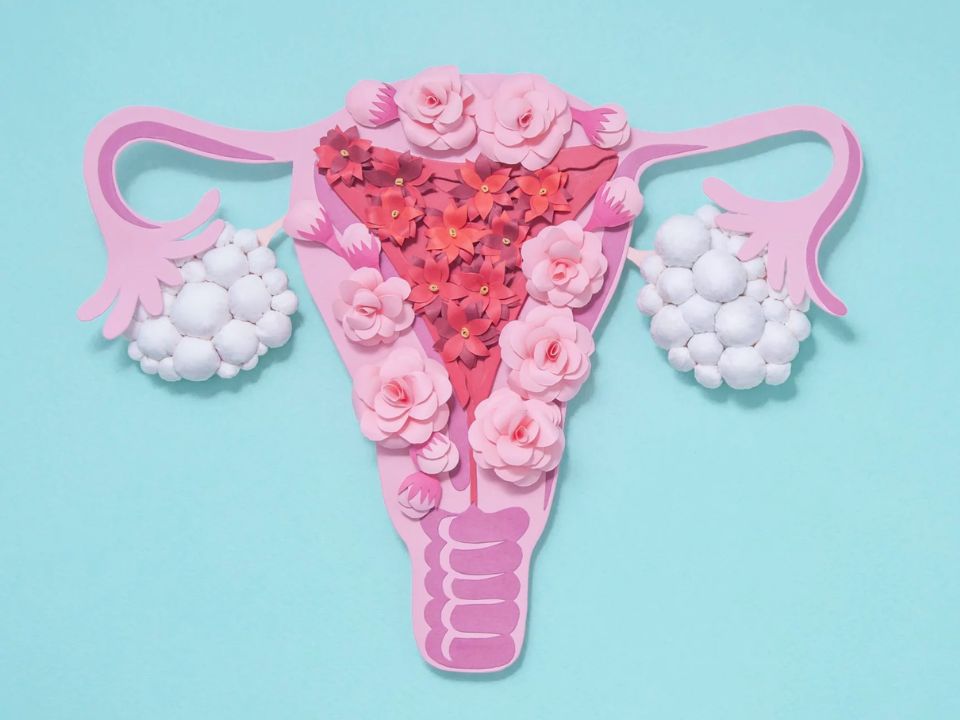
PCOS, which affects 5–10% of women of reproductive age, is characterized by irregular menstrual cycles, weight changes, acne, excess hair growth, and small cysts on the ovaries. This hormonal imbalance (LH, FSH, and androgens) can disrupt ovulation and reduce your chances of conceiving.

Personalized treatments for PCOS
Every case is unique. At Ingenes, we design your plan according to your hormonal profile and reproductive goals. We may use clomiphene or letrozole to induce ovulation, metformin (500–2,000 mg/day) to improve metabolic function, and guide you on nutrition, exercise (150 minutes/week), and weight loss (5–10%) to restore your cycles.
Never self-medicate: always consult a Reproductive Medicine specialist before taking any medication.
Advanced PCOS technologies
In our laboratory we use time-lapse to monitor embryo development, PGT-A to rule out genetic abnormalities, and stimulation protocols tailored to PCOS. We track your response with transvaginal ultrasounds and blood estradiol measurements.
IVF: an effective option
In vitro fertilization bypasses ovulatory dysfunction: we stimulate your ovaries, retrieve multiple eggs, fertilize them, and transfer the highest-quality embryo. At Ingenes, PCOS success rates exceed 60% per cycle thanks to personalized dosages and advanced vitrification.

Emotional support along the way
You are not alone. We know facing PCOS and treatments can be exhausting. That’s why we offer psychological counseling and support groups to accompany you with empathy and understanding.
Lifestyle and fertility
A Mediterranean diet—rich in vegetables, lean proteins, and healthy fats—along with regular exercise improves insulin sensitivity and balances your hormones. Losing 5 kg can restore ovulation. Practicing mindfulness helps reduce stress and regulate your cycles.
The future with PCOS
PCOS doesn’t wreck your dream of becoming a mother. With advances in reproductive medicine and our personalized approach, more and more women achieve pregnancy. Visit Polycystic Ovary Syndrome: What You Should Know and read real success stories: “Women with Polycystic Ovary Syndrome Can Have Children”.

Frequently Asked Questions
Can I Conceive Naturally If I Have PCOS?
Yes. Regularizing your cycle with diet, exercise, and weight control often restores ovulation. Tools like basal body temperature or LH tests help you identify your fertile window. If you need more support, treatments such as clomiphene or letrozole induce ovulation in 70% of cases and achieve conception in 30–40% after six cycles.
What Are the Side Effects of Medications for PCOS?
Clomiphene may cause hot flashes, mood swings, or ovarian enlargement. Metformin can cause nausea, diarrhea, or abdominal pain, especially if you exceed 1,500 mg/day. Starting with low doses and increasing gradually reduces these effects. Your doctor will monitor your health with tests and ultrasounds.
How Does Weight Loss Improve PCOS Symptoms?
Losing 5–10% of your weight decreases insulin resistance, lowers androgens, and restores ovulation. Combine aerobic exercise (30 minutes, 5 days/week) with strength training. A low–glycemic index meal plan stabilizes your blood sugar and protects your long-term health.
Is IVF Safe for Women with PCOS?
Yes. Low-stimulation or antagonist protocols reduce the risk of ovarian hyperstimulation syndrome. We adjust gonadotropin doses based on your estradiol and follicle count. Studies show IVF does not increase congenital malformations or obstetric complications in children born to patients with PCOS.
Sources
- NIH. (2023). Polycystic Ovary Syndrome. MedlinePlus.
- Teede H. J. et al. (2018). Recommendations from the International PCOS Network. Human Reproduction.
- Rojas J. et al. (2014). Polycystic Ovary Syndrome: Evidence-Based Overview. Clinical Medicine Insights: Reproductive Health.
- American Society for Reproductive Medicine. (2020). ASRM Practice Committee Guidelines: PCOS. Fertility and Sterility.
Remember that every journey is unique. We are here to support and guide your path to motherhood. Consult an assisted reproduction specialist to design the best plan for you.