Futura News

Home > News
ligadura-de-trompas-causas-de-la-infertilidad-puedo-tener-un-bebe-vientre-de-mujer-embarazada
Fertility

Adenomyosis vs Endometriosis: Understanding the Difference

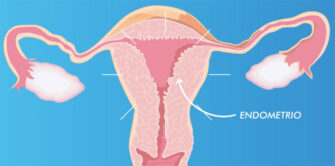
Adenomyosis and endometriosis are two gynecological conditions that, although they share pelvic pain and may affect fertility, have different origins and treatments. Here you will find clear answers to understand each one, how they can influence your reproductive health, and when it’s time to seek medical support. What is adenomyosis and what causes it? Adenomyosis occurs when the tissue that lines the uterus (endometrium) grows into its muscular wall (myometrium). Each menstrual cycle, that internal tissue bleeds and thickens the uterus, causing very heavy periods, intense pain, and sometimes a feeling of pressure. Although the exact cause is not always known, it is associated with hormonal imbalances, previous surgeries, or uterine trauma. How does endometriosis differ? Endometriosis is the presence of tissue similar to the endometrium outside the uterus: ovaries, fallopian tubes, peritoneum, and other pelvic areas. That tissue responds to the menstrual cycle, causing inflammation, cysts (endometriomas), and adhesions, and often leads to chronic pain and fertility issues different from those of adenomyosis. Key symptoms Adenomyosis: – Very heavy and prolonged menstrual bleeding – Intense cramps – Feeling of uterine enlargement Endometriosis: – Chronic pelvic pain, especially before and during the period – Pain during intercourse (dyspareunia) – Digestive or urinary discomfort if lesions affect nearby organs Diagnosis Adenomyosis: pelvic ultrasound or magnetic resonance imaging showing a thickened uterine wall (>12 mm) and heterogeneous texture. Endometriosis: laparoscopy (minimally invasive surgery) to view and sample lesions. Ultrasound or MRI can detect endometriomas, but not superficial implants. Treatments to protect your fertility NSAIDs and pain relievers (always under medical supervision). Hormonal therapies: combined contraceptives, progestogens, GnRH agonists. Surgery: resection of adenomyotic tissue or ablation/excision of endometriotic implants. Assisted reproduction (IVF, ICSI) if you want to increase your chances of pregnancy. Talk to a fertility specialist before deciding. For more details on managing endometriosis, visit Endometriosis: A Complete Journey and Endometriosis and Fertility: A Simple Guide. Frequently Asked Questions 1. Can adenomyosis affect my chances of getting pregnant? Yes. As it grows within the myometrium, it can hinder implantation and alter uterine contractions, increasing the risk of miscarriage or preterm birth. However, with mild adenomyosis many women conceive naturally or with the help of assisted reproductive techniques. Proper diagnosis and treatment make a difference. 2. Does endometriosis always cause infertility? No, but more than 30% of infertile women have it. Adhesions and cysts can block the fallopian tubes and affect ovarian function. Fertility options like ovulation induction, IUI, or IVF have good outcomes if you follow a plan tailored to your case. 3. How can I relieve symptoms with lifestyle changes? An anti-inflammatory diet (rich in omega-3, low in ultra-processed foods), moderate exercise, stress management, and therapies like acupuncture can help. Support groups and psychotherapy also improve emotional well-being. 4. When should I consider surgery? If the pain is very intense, medications don’t work, or fertility is at risk. For adenomyosis, focal adenomyomectomy is performed; hysterectomy is reserved if you no longer wish to have children. In endometriosis, laparoscopy to remove lesions and adhesions can relieve pain and improve fertility. Sources American College of Obstetricians and Gynecologists. Obstetrics & Gynecology, 138(3), e1–e15 (2021). MedlinePlus. Adenomyosis. https://medlineplus.gov/ency/article/001513.htm World Health Organization. Endometriosis fact sheet. https://www.who.int/news-room/fact-sheets/detail/endometriosis Serralheiro et al. Pathophysiology of adenomyosis and endometriosis. Fertility and Sterility, 118(5), 925–934 (2022). Remember: every body is unique. If you suspect adenomyosis or endometriosis and want to preserve your fertility, consult a reproductive specialist. We are with you on this journey.

Read More »
10-causas-de-mala-calidad-ovocitaria-ecografia-embarazo
Fertility

10 causes of poor oocyte quality

Low egg quality affects many women worldwide and can feel like an insurmountable obstacle to conception. Sadness, frustration, and despair are common reactions, but remember: you are not alone. Receiving this diagnosis does not mean you cannot have children. With the right treatment and a hopeful attitude, you have several paths to achieve your dream. Instead of letting it overwhelm you, take control and work with a team of specialists to choose the ideal plan. From in vitro fertilization to complementary therapies and lifestyle changes, there are alternatives that can help you become a mother. How do I know if my egg quality is low? Women are born with about 2 million oocytes, but by the start of puberty only around 400,000 remain. Each cycle only 350 to 450 mature, and their quality depends on biological and environmental factors. To confirm it, always consult a specialist in Assisted Reproduction. Meanwhile, review these 10 factors that influence egg quality. What causes poor egg quality? 1. Maternal age Ovarian reserve and egg quality decline with age, especially after 35. This change can surprise many women. 2. Overweight and obesity Excess weight affects multiple systems and reduces both the number and maturity of oocytes. Women with obesity often retrieve fewer mature eggs and face lower pregnancy rates. 3. Cancer treatments Chemotherapy and radiotherapy diminish ovarian reserve and egg quality. If facing a cancer diagnosis, consider oocyte vitrification before starting treatment. 4. Hormonal imbalances Conditions like Polycystic Ovary Syndrome prevent proper egg maturation and affect its quality. 5. Genetic factors Some mutations harden the egg’s zona pellucida, hindering fertilization and increasing the risk of abnormal divisions. 6. Ovarian stimulation The type of hormone, dose, and duration of stimulation in assisted reproduction cycles influence egg quality. 7. Endometriosis Endometrial tissue outside the uterus impairs ovarian function and egg quality, depending on the available reserve. 8. Alcohol consumption The WHO recommends a maximum of 0.5 glass of wine per day. During assisted reproduction treatments, it’s best to avoid alcohol 3 to 6 months beforehand. 9. Smoking Tobacco releases toxins that alter ovulatory hormones and accelerate menopause, reducing egg quality. 10. Immune problems Disorders like insulin resistance affect metabolism and oocyte cellular function. Proper management improves quality and success rates. Irai and Sofía, Ingenes family How can I improve my egg quality? Adopt a healthy lifestyle: balanced diet, regular exercise, and avoid self-medication. Before taking any supplement or medication, consult an Assisted Reproduction specialist. Explore studies like “What We Know About Oocyte Quality and Its Impact on Fertility” and “Infertility Factors: Understanding Ovarian Reserve” to better understand your options. Does poor egg quality prevent having a baby? No. With support from an expert team and a personalized plan, many women achieve a successful pregnancy. Read the testimony of Iraí, who overcame this diagnosis and now enjoys her daughter Sofía. If you have been trying for over a year or have been diagnosed with low egg quality, don’t give up. Your determination and specialist support are your greatest strengths. Frequently Asked Questions What are the symptoms of low egg quality? There are no obvious symptoms; it’s detected with hormonal tests (FSH, AMH) and ovarian reserve ultrasounds measuring antral follicles. FSH >10 mIU/mL or AMH 10–12), age, and medical history complete the diagnosis. Your specialist will propose the most suitable action plan. Can I improve my egg quality with supplements? Antioxidants like vitamin E, coenzyme Q10, and folic acid help reduce oxidative stress. Still, do not medicate without medical supervision. Each case is unique. Your specialist will review your tests and suggest supplements only as support to a healthy diet and lifestyle. Does stress affect egg quality? Chronic stress raises cortisol and other hormones that interfere with oocyte maturation. Practices like meditation, yoga, or therapy help reduce it. Including relaxation activities before and during IVF improves your well-being and treatment outcomes. When should I see a specialist? If you are over 35 and have not conceived after six months of trying, or if there is a history of endometriosis, chemotherapy, or other risk factors, consult an assisted reproduction expert. Early diagnosis offers more options: ovarian reserve tests, genetic evaluation, and personalized treatment plans. Sources Consulted American Society for Reproductive Medicine. (2020). Assessing ovarian reserve: Practice Committee document. Fertility and Sterility. doi:10.1016/j.fertnstert.2020.03.018 MedlinePlus. (2021). Oocyte quality. Retrieved from https://medlineplus.gov/ovarianreserve World Health Organization. (2019). Global status report on alcohol. Retrieved from https://www.who.int/publications/i/item/9789241565639 European Society of Human Reproduction and Embryology. (2022). Endometriosis and fertility. Human Reproduction. doi:10.1093/humrep/deac123 We are with you every step of the way. For an accurate diagnosis and a plan tailored to your situation, trust an assisted fertilization specialist. Your dream of building a family can come true.

Read More »
Assisted Reproduction

Sperm bank for Assisted Reproduction treatments

At Ingenes we have a sperm bank designed to support couples with male infertility and single women who wish to become mothers. Here we select, evaluate, and store secure samples so you can build your family with the peace of mind of high quality standards. We offer donors of various races and characteristics, so you can find the profile that best suits you. All samples are processed according to the guidelines of the ASRM, the WHO and Mexican regulations. Additionally, you can freeze your own sperm to use later in your treatments. What is a sperm bank and how does it support assisted reproduction? Sperm donation is key for: Couples with azoospermia or low sperm quality Men with severe motility or morphology issues Preventing transmission of genetic diseases Single women who want to become mothers At Ingenes your samples undergo medical and psychological tests, karyotype analysis, and viability tests after freezing. They remain in quarantine for 6 months to rule out infections like HIV before release. Donor selection and evaluation Our donors are mainly young university students. We accept only a small percentage after these tests: Complete medical exam (blood group, karyotype, infection screening) Psychological evaluation and lifestyle questionnaire Motility, morphology and concentration analysis according to WHO standards Survival tests before and after freezing Benefits of semen storage Cryopreservation is ideal if you are going to: Undergo chemotherapy or radiotherapy Take medications or have surgeries affecting your testicles Suffer from chronic diseases like diabetes or multiple sclerosis Plan a vasectomy Undergo sperm retrieval procedures Travel during your assisted reproduction cycles We analyze each sample before freezing, perform a viability test and tell you how many vials you will need. Thanks to ICSI, good results can be achieved even with few viable sperm. Sample safety and integrity We store semen in liquid nitrogen at –196 °C indefinitely. Our labeling and storage protocols prevent mix-ups. We advise you on donor type, number of samples, and the complete process, including emotional support sessions (discover our emotional support). More information about assisted reproduction Visit our Frequently Asked Questions to clear doubts about procedures, timing, costs, and emotional support. Frequently Asked Questions (FAQ) 1. Can I choose physical characteristics of the donor? Yes, you can specify traits like height, eye color, and ethnic background. However, it is crucial to prioritize genetic and blood group compatibility to reduce hereditary risks. The process is anonymous and confidential. 2. How long can sperm be stored frozen? It remains preserved indefinitely if kept in liquid nitrogen at –196 °C. Studies confirm successful pregnancies with samples stored for over 20 years. 3. What are the risks of donation? It is a non-invasive procedure; the main risk is minimal and related to sample collection. We follow a strict biosafety protocol and offer emotional support for your peace of mind. 4. What if I don’t achieve pregnancy with donated sperm? Success rates vary depending on age and egg quality. If after 2–3 cycles there’s no pregnancy, we review your case and recommend adjustments in treatment, donor profile, or alternative treatments like egg donation. Sources consulted American Society for Reproductive Medicine. (2021). Guidelines for sperm donor selection. ASRM. World Health Organization. (2021). WHO laboratory manual for the examination and processing of human semen (6th ed.). WHO. National Library of Medicine. (2020). Semen Cryopreservation. MedlinePlus. Practice Committee of the American Society for Reproductive Medicine. (2022). Advances in sperm banking. Fertility and Sterility, 117(3), 515–523. We know how important this step is for you. We support you with professionalism and warmth. Always consult a fertility specialist for the best personalized guidance.

Read More »
Assisted Reproduction

Lily Collins and Surrogacy: What Is It and When Is It an Option?

The actress Lily Collins, known for her role in the Netflix series Emily in Paris, announced on Instagram the birth of her baby, Tove, via surrogacy. Her experience has opened a dialogue about this option within assisted reproduction treatments. What exactly is surrogacy? Who can consider it and what are the most important medical and legal points? What is surrogacy and what is it for? Surrogacy involves a woman (the surrogate) carrying a pregnancy for another person or couple, who will be the child’s legal parents. In most cases, in vitro fertilization (IVF) is used to create the embryo with gametes from the intended parents or donors, and then it’s transferred to the surrogate’s uterus. This process is supported by solid medical studies and legal agreements that protect the health of both the surrogate and the baby. Who can consider gestational surrogacy? Some medical and personal reasons for choosing surrogacy include: Women without a uterus or with conditions that prevent a safe pregnancy (Asherman’s syndrome, heart disease). Individuals with multiple failed implantation attempts or recurrent miscarriages. Same-sex couples who want to have a biological child. Single individuals who wish to become mothers or fathers. Each case is evaluated with reproductive medicine specialists to determine if this is the most suitable option. The role of in vitro fertilization in surrogacy IVF is essential because it allows the creation of embryos using eggs and sperm from the couple or donors. The main steps are: Ovarian stimulation and egg retrieval. Laboratory fertilization with partner or donor sperm. Culturing and selecting embryos with the best potential. Transferring one or two embryos to the surrogate’s uterus. Additionally, preimplantation genetic testing (PGT) helps identify chromosomal abnormalities before transfer, improving success rates. Legal and ethical aspects of surrogacy Regulations vary by country. In Mexico, the Procreational Will Law establishes rights and obligations for the surrogate and the intended parents. Contracts cover everything from informed consent to the baby’s legal protection. In other jurisdictions, surrogacy may be prohibited or require court approval. A clear legal framework ensures a fair process for all parties. Why is it debated? After Lily Collins and her husband Charlie McDowell announced that Tove was born via surrogacy, negative comments emerged. Although this technique has allowed thousands of families to fulfill their dreams, the controversy centers on ethics, regulation, and the surrogate’s rights. The risk of exploitation exists where legal or economic protections are low, but in regulated environments like Mexico, agreements and medical and psychological care ensure a respectful process. Other alternatives to achieve pregnancy Besides surrogacy, there are options such as intrauterine insemination (IUI) and frozen embryo transfer. Each treatment is chosen based on a personalized diagnosis. At our assisted reproduction center we have 20 years of experience and over 75,000 babies born. We offer cutting-edge technology and emotional support at every stage of your journey. Frequently Asked Questions (FAQ) Is surrogacy safe for the surrogate and the baby? With proper medical and psychological monitoring, yes. The surrogate undergoes preliminary tests (ultrasounds, cardiac exams, hormone analyses) and an interdisciplinary team monitors her health throughout the pregnancy. Transferring one or two embryos reduces the risk of multiple pregnancies. For the baby, IVF and PGT tests reduce chromosomal abnormalities, and prenatal care detects any issues early. How much does a surrogacy treatment cost? The price varies by country, genetic tests, medical fees, surrogate compensation, and legal procedures. In Mexico, it can range from 500,000 to 1,200,000 MXN. It’s essential to request a detailed quote that includes everything: consultations, medications, psychological support, and legal aspects. Some clinics offer financing or payment plans. Before deciding, compare options and check each center’s reputation. What requirements must the surrogate meet? Generally, she should be between 25 and 35 years old, have a BMI between 18.5 and 30 kg/m², a favorable obstetric history (at least one prior uncomplicated birth), and complete medical tests (serologies, transvaginal ultrasound, coagulation tests). Her emotional and social health is also evaluated. A certified psychologist ensures she understands the process, her rights and responsibilities, and that she has family support. How to start the surrogacy process? First, consult a reproductive specialist for a comprehensive fertility study. If surrogacy is the best option, a legal contract is signed and the search for a surrogate begins in certified programs. At all times, you will receive medical, legal, and emotional guidance. Avoid self-medication and, before making any decision, consult an assisted reproduction expert. Sources consulted American Society for Reproductive Medicine. Practice Committee Opinion No. 512. Fertility and Sterility, 113(6), 1235–1242. https://doi.org/10.1016/j.fertnstert.2020.02.014 MedlinePlus. Surrogacy. https://medlineplus.gov/spanish/ency/article/007375.htm Mayo Clinic. In vitro fertilization (IVF). https://www.mayoclinic.org/tests-procedures/in-vitro-fertilization/about/pac-20384716 World Health Organization. Infertility definitions and terminology. https://www.who.int/reproductivehealth/topics/infertility/definitions/en/ We know this journey can be challenging, but you are not alone. Every story is unique and deserves close support. If you are considering surrogacy or any other assisted reproduction technique, we recommend consulting an assisted fertilization specialist for the personalized guidance you need.


Read More »
lo-que-debes-saber-si-eliges-ingenes-estados-unidos-dra-catherine-gonzalez-con-bebe-nina-nacida-via-fertilizacion-in-vitro-fiv
Assisted Reproduction

What you need to know if you choose Ingenes United States

Ingenes is the leading assisted reproduction institute in Latin America, with the highest success rate and over 75,000 babies born. Since 2021 we have arrived in the United States to prove that we are not just another option, but the best alternative in the U.S. market, with high quality and affordable prices What is Ingenes United States and what services does it offer? Ingenes United States is the extension of the renowned Ingenes network, specialized in in vitro fertilization (IVF), ICSI, and other assisted reproduction techniques. We accompany you every step of the way: initial consultation, ovarian stimulation (8–13 days), follicular puncture, embryo development, transfer, and follow-up. We use state-of-the-art laboratories in Mexico for embryo development and vitrification. All hormonal doses are measured in mL or IU according to your protocol, so it is vital not to self-medicate without consulting a specialist. How does the treatment work in six steps? Step 1: Initial consultation and personalized plan (Day 1) We evaluate your medical history, hormone levels, and ultrasound. We design a tailored ovarian stimulation protocol (150–300 IU/day of gonadotropins for 8–13 days). Step 2: Ovarian stimulation and endometrial preparation (Days 2–13) Daily injections guided by ultrasound to monitor follicular growth. hCG trigger (10,000 IU) when follicles reach 18–20 mm. Step 3: Trip to Mexico for egg retrieval and semen preparation Egg retrieval under sedation (approx. 2 mg/kg of propofol) at Ingenes Mexico. Preparation of fresh or frozen semen in advanced andrology laboratories. Step 4: Embryo development and transfer (Days 4–6 in Mexico) Fertilization (IVF or ICSI) and embryo culture at 37 °C, 6 % CO₂. Transfer of one or two high-quality blastocysts (3–6 days after retrieval). Take the opportunity to rest and explore a bit of Mexico. Step 5: Return to the U.S. and pregnancy test (≥ 10 days after transfer) At-home blood test (β-hCG) to confirm your pregnancy. Send your results to your Ingenes doctor for the next steps. Step 6: First gestational consultation and early monitoring Ultrasound at 6–7 weeks to visualize the sac and heartbeat. Continue hormonal support according to your prescription. Typical treatment timeline The process takes 4–6 weeks from the first appointment to the pregnancy test. The trip to Mexico is scheduled mid-cycle, with one-day outpatient procedures. You return on days 5–6 post-retrieval. Why travel to Ingenes Mexico? Traveling to Mexico allows you to combine rest and culture with reduced costs without sacrificing quality. Our laboratories are accredited and equipped with state-of-the-art incubators to ensure high embryo viability. Discover The magic between Ingenes Mexico and Ingenes USA and learn how our binational collaboration maximizes your chances. Emotional and physical preparation Maintain a balanced diet, stay hydrated (2 L/day), and do moderate exercise. Manage stress with mindfulness or therapy; your emotional well-being influences the results. Before taking any medication, always consult a reproductive medicine specialist. Frequently asked questions 1. What are the selection criteria? We evaluate age, ovarian reserve (AMH in ng/mL), BMI (kg/m²), and reproductive history. Each case receives a personalized plan. We also review hysterosalpingography, semen analysis, and comorbidities. 2. What risks and side effects are there? The most common are ovarian hyperstimulation syndrome (OHSS), light bleeding after retrieval, and discomfort after transfer. We minimize these with monitoring and dose adjustments. If you experience severe pain or fever > 38 °C, contact your specialist immediately. 3. Can I use donor eggs or sperm? Yes, we offer anonymous donation programs with genetic and psychological screening of donors to ensure quality. We match according to blood type, genetics, and ethnic preferences. 4. How do travel arrangements affect my treatment? There are only two trips (round trip) at key stages. Each procedure is one day. In Mexico we recommend relative rest and light activities; we coordinate transfers and accommodations. References American Society for Reproductive Medicine. Practice Committee guidelines (2020). MedlinePlus. In Vitro Fertilization (2021). European Society of Human Reproduction and Embryology. Good Practice Recommendations (2019). World Health Organization. WHO laboratory manual for semen (6th ed., 2021). We know this journey can be challenging. Count on our support and expertise: consult a specialist in assisted fertilization and together let’s make your dream of becoming a mother or father a reality.

Read More »
ingenes-leon-medico-enfermeras-con-bebe-in-vitro
Assisted Reproduction

Assisted Reproduction in Mexico and USA: lead by Ingenes

Assisted reproduction treatments are increasingly relevant: today not only heterosexual couples with fertility issues, but also female couples and single women find in these procedures the opportunity to fulfill their dream of becoming mothers. Thanks to advances in technology and research, fertility treatments are becoming ever more effective, and thousands of babies have been born worldwide. Discover the Ingenes success rate and find out why so many patients trust us. What makes Ingenes a benchmark in assisted reproduction in Mexico and the USA? With over 17 years of experience, Ingenes Institute has supported more than 75,000 successful cases. We hold ICMART and LARA network certifications, and our in vitro fertilization laboratory operates with cutting-edge technology. We offer up to a 96% success probability per cycle, based on your profile. How does Ingenes’ multidisciplinary team support you? From the first consultation, reproductive endocrinologists, biologists, embryologists, andrologists and specialized nurses design personalized tests and a treatment plan focused on your physical and emotional well-being, reducing the number of attempts and emotional strain. Why choose Ingenes clinics in Mexico and the USA? With 14 locations in Mexico and four in the USA, being close to you is our priority. Schedule your appointment at the location you prefer: you will be welcomed by a professional, compassionate team ready to support you. International recognition in assisted reproduction Ingenes Guadalajara received the International Recognition for excellence in practices, ensuring that your treatment meets the highest global standards. Surrogacy in Mexico: a comprehensive program Our surrogacy program, detailed in Surrogates in Mexico: building families with Ingenes expertise, offers legal, medical and emotional support, ensuring a transparent and safe process for all parties. Frequently Asked Questions 1. What treatments does Ingenes offer? Intrauterine insemination (IUI), conventional IVF, ICSI, egg donation and oocyte vitrification. Each plan is tailored to your needs after a diagnosis that includes hormonal studies, ultrasounds and genetic tests. Do not self-medicate: always consult an assisted reproduction specialist to maximize your chances and safeguard your health. 2. What is the success rate for an IVF cycle? It depends on factors such as age and embryo quality. For those under 35, we reach up to 96%. We use advanced embryo selection techniques to optimize results at all ages. Your specialist will assess your ovarian reserve (AMH in ng/mL) and sperm quality (M/mL) to provide a personalized prognosis. 3. How to care for your health during ovarian stimulation? FSH (IU) is administered under medical supervision with serial ultrasounds and estradiol measurement (pg/mL). Avoid self-medication and report any severe pain or swelling. We follow protocols to prevent hyperstimulation. 4. Mexico or the USA? Consider proximity, costs in USD or MXN, and certifications. Ingenes offers the same quality in both countries, with travel and accommodation support for international patients. Request your initial consultation with no obligation. Sources American Society for Reproductive Medicine. In vitro fertilization: FAQs (2021). https://doi.org/10.1093/asrm/9780190628249.article.91 MedlinePlus. Assisted reproductive technologies (ART) (2022). https://medlineplus.gov/assistedreproductivetechnologies.html Practice Committee ASRM. Testing and interpreting ovarian reserve assessment. Fertility and Sterility, 114(3):512–519 (2020). https://doi.org/10.1016/j.fertnstert.2020.02.118 World Health Organization. WHO laboratory manual for human semen (6th ed., 2021). https://www.who.int/publications/i/item/9789240030787 We are with you every step of the way. If you have questions or want to start your treatment, consult an assisted reproduction specialist: together we will make your dream of becoming parents a reality.

Read More »
Assisted Reproduction

How is In Vitro Fertilization carried out?

In in vitro fertilization (IVF), science and hope unite for those dreaming of welcoming a baby. We explain the process from start to finish. How is in vitro fertilization performed step by step? 1. Ovarian stimulation: you receive hormones (150–300 IU of FSH/LH) so your ovaries develop multiple follicles. 2. Follicular puncture: under light sedation, mature eggs are retrieved with an ultrasound-guided needle. 3. Semen preparation: we collect a 2–5 mL sample and select the most motile sperm. 4. In vitro fertilization: oocytes and sperm are placed together in a ~100 µL culture medium. After 16–18 h the zygote forms, and at 48 h it becomes a 4–8 cell embryo ready for transfer. When is IVF recommended? Damage or blockage of the fallopian tubes. Moderate to severe endometriosis. Severe male factor (low count or motility). Women ≥35 years with reduced ovarian reserve. Failures in other fertility treatments. Before starting, consult an assisted reproduction specialist; they will tell you if this treatment is the best path for you. Preparation for your IVF cycle Your doctor will request hormonal tests (FSH, LH, AMH), a transvaginal ultrasound, and a semen analysis. Adopt a healthy lifestyle: balanced diet, moderate exercise, and stress management. Avoid tobacco and alcohol at least 3 months beforehand. You can also seek nutritional counseling and psychological support to feel accompanied at every stage. Follicular puncture and fertilization The puncture takes 20–30 minutes with local anesthesia or sedation. An average of 8–15 eggs are retrieved. In the lab, we assess quality and fertilize them by conventional IVF or ICSI, depending on your case. Embryos grow in incubators at 37 °C, 5 % CO₂, and 95 % humidity until reaching the blastocyst stage (day 5). Embryo transfer and beyond Between day 3 and 5, we select 1–2 top-quality embryos and deposit them in your uterus under ultrasound guidance. The procedure is brief; afterward you’ll rest for 24–48 h and receive progesterone (600 mg/day vaginally or 50 mg IM). Two weeks later, a serum beta-hCG test is performed. If positive, you continue hormonal support until weeks 10–12 of gestation. For a deeper dive into each phase, visit Understand in vitro fertilization step by step and Understand in vitro fertilization. Frequently asked questions 1. What influences success rates? Maternal age (<35 years up to 40% success vs. 20% at 40), egg and sperm quality, and lab experience. Lifestyle habits, body mass index, and infertility causes also matter. 2. Does it hurt or carry risks? The main discomfort is the follicular puncture, managed with sedation. Hormonal injections may cause mild discomfort. Risks: ovarian hyperstimulation (1–5%), mild bleeding or infection, and multiple pregnancy if multiple embryos are transferred. 3. Can I use donors? Yes, if your ovarian reserve or sperm quality is low. Donors undergo genetic, infectious, and psychological screening. The IVF protocol is the same; only the gametes change. 4. When will I know if I’m pregnant? You wait 10–14 days post-transfer for the beta-hCG test. If positive, a heartbeat is confirmed by ultrasound at 5–6 weeks and obstetric follow-up begins. Sources American Society for Reproductive Medicine. Practice Committee Guidelines. Fertility and Sterility (2021). MedlinePlus. In Vitro Fertilization. U.S. National Library of Medicine (2022). European Society of Human Reproduction and Embryology. Vienna Consensus on GnRH analogue protocols in ART (2020). National Institute for Health and Care Excellence. Fertility: Assessment and treatment (2017). Remember: each path to parenthood is unique. If you have questions or want more information, consult an assisted reproduction specialist. You are not alone on this journey!

Read More »
Assisted Reproduction

Implantation failure

Implantation failure is diagnosed when pregnancy is not achieved after at least three cycles of In vitro fertilization (IVF) or after transferring more than ten good-quality embryos. We now have very effective options for every cause of implantation failure: blastocyst-stage transfer (day 5), preimplantation genetic testing, and assisted hatching, among others. Implantation failure: what is it and how does it happen? For an embryo to implant properly, you need a healthy embryo and a receptive endometrium, as well as precise molecular communication. We speak of implantation failure after three IVF cycles without pregnancy or after transferring more than ten embryos with good morphology. Factors that can prevent implantation They are multiple and affect the embryo, the uterus, or the general condition: Embryonic: chromosomal abnormalities, difficulty breaking the zona pellucida, or genetic defects. Uterine: fibroids, synechiae, polyps, infections (hydrosalpinx), scarring, or a thin endometrium (< 7 mm mid-cycle). Systemic: insulin resistance, obesity (BMI > 30), antiphospholipid syndrome, or thrombophilias that alter blood flow. Step-by-step diagnosis To identify the problem, several tests are combined: Blood tests: hormones, metabolic profile, immunological markers, and coagulopathies. Transvaginal ultrasound: uterine malformations, endometrial thickness, and hydrosalpinx detection. Semen analysis and DNA fragmentation: especially if there is a history or male risk factors. PGT-A: preimplantation genetic testing for embryonic aneuploidies. Assisted hatching: study of the zona pellucida in the blastocyst. Reviewing your previous cycles (eggs retrieved, fertilization rate, and embryonic development) is key for an accurate prognosis. Treatment options after repeated failure The strategy will depend on the identified cause: Blastocyst transfer (day 5–6): improves selection of embryos with higher potential. PGT-A: transfer only euploid embryos. Assisted hatching: laser to help the embryo exit the zona pellucida. Hormonal therapies and surgery: for fibroids, polyps, or synechiae. Immunological treatments and anticoagulants: in cases of antiphospholipid syndrome or thrombophilias. Do not self-medicate: always consult a reproductive medicine specialist before starting any drug or treatment. For more details, visit our section on implantation failure or read Implantation Failures: Understanding the Challenge. Frequently Asked Questions 1. Can lifestyle changes improve implantation? Yes. Maintaining a BMI between 18.5 and 24.9, controlling blood glucose, and reducing stress (mindfulness, yoga) favors uterine receptivity and embryo quality. Moderate exercise (30 min/day) and a Mediterranean diet rich in omega-3 balance hormones and reduce inflammation. Quitting smoking and limiting alcohol (< 7 units/week) improves uterine blood flow and decreases oxidative stress. Consult your specialist before making radical changes. 2. How many IVF cycles before diagnosing implantation failure? It is considered failure after three cycles without pregnancy or ten good-quality embryos transferred. However, factors such as age (≥ 38 years), low ovarian reserve, or male factor may prompt earlier evaluation. Your reproductive endocrinologist will guide you on the right timing. 3. How does PGT-A help reduce the risk of miscarriage? PGT-A detects aneuploidies before embryo transfer. Transferring only euploid embryos can reduce miscarriage rates by 50% in women over 35 and increases live births per transfer. Although it raises costs and extends the cycle by about 14 days, it decreases the emotional and financial burden of failed cycles. 4. What immunological treatments are available? In cases of antiphospholipid syndrome or immune alterations, low-dose aspirin (75 mg/day) and heparin (5 000 IU/day) regimens improve uterine perfusion. Some profiles may add IVIG or steroids. An antibody and cytokine panel customizes the therapy; work with a reproductive immunologist to optimize your protocol. Sources Practice Committee of the American Society for Reproductive Medicine. (2018). Evaluation and treatment of recurrent implantation failure: a committee opinion. Fertility and Sterility, 110(5), 704–713. https://doi.org/10.1016/j.fertnstert.2018.08.026 American College of Obstetricians and Gynecologists. (2021). Ovulation induction and assisted reproductive technologies. In ACOG Practice Bulletin No. 208. Obstetrics & Gynecology, 137(1), e49–e64. MedlinePlus. (2023). Embryo transfer. Retrieved from https://medlineplus.gov/embryotransfer.html Ubaldi, F. M., et al. (2017). Culture of human blastocysts with sequential media type: medium and embryo development. Human Reproduction, 32(7), 1424–1432. https://doi.org/10.1093/humrep/dex113 We know how hard this path is. Don’t lose hope: every situation is unique and there are personalized solutions. Consult a reproductive medicine specialist to design the best strategy toward your dream of becoming a parent.

Read More »
Assisted Reproduction

Hope in the Journey towards finding your baby

What emotions arise when you dream of becoming parents and face fertility challenges? From childhood, women and men long to start a family. When facing difficulties conceiving, it’s normal to go through moments of frustration, sadness, or even guilt. At Ingenes, we understand these emotions and accompany you every step of the way. How does infertility affect each partner? Infertility impacts men and women differently. He may feel the weight of responsibility for the outcome, while she experiences a very deep sense of loss. Both can feel misunderstood, even by those around them. Remember: you are not alone in this process. Judith’s letter: a mirror of emotionsJudith, one of our patients, captured her experience in “I Want to Be a Mother.” She describes the intense desire to have a child and the barriers she encountered along the way. Her story resonates with many who share this struggle. Why is Ingenes a beacon of hope in assisted reproduction? Many come to Ingenes after years of exhausting treatments. Here, we believe in hope as the engine of change. Our expert team and cutting-edge technology work to turn your dream of becoming a parent into reality. We know infertility is not only a medical challenge but also an emotional one. That’s why we offer emotional support from the first consultation, so you can move forward with confidence and serenity. Our commitment goes beyond treatment: we provide comprehensive care, combining clinical and emotional support so you face this process with strength and optimism. Ready to begin the journey toward your baby? Discover the main fertility treatments and let us guide you every step of the way. Common non-invasive medical recommendations before treatment: what should you know? Before any intervention, maintain a balanced lifestyle: varied diet, moderate exercise, stress management, and avoiding toxins. Do not self-medicate without supervision. Any medication must be prescribed by an Assisted Reproduction specialist, especially if you aim to improve your chances of pregnancy. FAQ 1. What are the first steps to evaluate fertility? It begins with a complete medical history and physical exam of both partners. Hormone profiles (FSH, LH, estradiol), ultrasound to assess ovarian reserve and uterine health, and a semen analysis evaluating volume (mL), concentration (million sperm/mL), and motility may be requested. A hysterosalpingography can also be performed to check tube patency. Early diagnosis identifies ovulatory disorders, tubal blockages, or male factor issues, and defines the appropriate treatment plan. 2. When should assisted reproduction techniques be considered? If after 6–12 months of regular unprotected intercourse pregnancy does not occur (or 6 months if the woman is over 35), it’s time to consult a specialist. Conditions like endometriosis, PCOS, or low sperm quality may require earlier intervention. Options range from intrauterine insemination (IUI) to in vitro fertilization (IVF) with or without ICSI. Each technique is chosen based on age, diagnosis, and history. Your doctor will guide you to the most suitable path. 3. What emotional support is available during treatment? The process can be emotionally intense. At Ingenes, we offer individual and couple counseling sessions to manage stress, anxiety, and expectations. Tools like cognitive-behavioral therapy and mindfulness help strengthen your well-being. Support groups connect you with people in similar situations, creating networks of empathy and shared experiences. Seeking help shows your strength. 4. How do lifestyle changes improve fertility? A diet rich in antioxidants and omega-3 fatty acids supports egg and sperm quality. Maintaining a BMI between 18.5 and 24.9 kg/m² and moderate exercise help regulate hormones. Avoid tobacco, excessive alcohol, and recreational drugs. Limit caffeine to less than 200 mg a day and reduce exposure to environmental pollutants to optimize your results. Sources consulted American Society for Reproductive Medicine. (2022). Definitions of infertility and recurrent pregnancy loss. https://doi.org/10.1093/humupd/dmac004 Centers for Disease Control and Prevention. (2023). Assisted Reproductive Technology (ART). https://www.cdc.gov/art MedlinePlus. (2023). Infertility. U.S. National Library of Medicine. https://medlineplus.gov/infertility.html World Health Organization. (2021). WHO manual for the standardized investigation and diagnosis of the infertile couple. https://apps.who.int/iris/handle/10665/70430 Remember that every story is unique. Keep hope alive and consult a fertility specialist for the personalized guidance you need.

Read More »
salpingo-ligadura-de-trompas
Assisted Reproduction

Female Infertility: tubal ligation

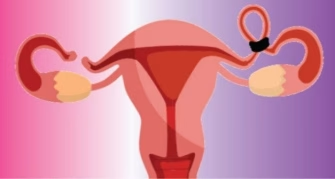
“`html What is tubal ligation and how does it work? Salpingoclasis, tubal ligation, or bilateral tubal occlusion is a permanent sterilization surgery for women. Essentially, the fallopian tubes are cut, clipped, blocked, tied, or cauterized. This prevents the egg from traveling from the ovary to the uterus and the sperm from meeting it, blocking fertilization. Can a woman reverse tubal ligation to restore fertility? Although tubal ligation is intended as a permanent sterilization, tubal reanastomosis or reversal surgery is possible. In some cases, the fallopian tubes can be reconnected. Success depends on your age, the remaining tube length (at least 4 cm), and the initial method. Women under 35 have higher chances of natural pregnancy after reversal. However, even after reversal, there is a risk of ectopic pregnancy. Consult a reproductive specialist to evaluate all options before deciding. Why is IVF recommended for women with previous tubal ligation? In Vitro Fertilization (IVF) bypasses the fallopian tubes: eggs are retrieved, fertilized in a lab, and embryos are placed directly into the uterus. This avoids ectopic pregnancies and often offers higher, faster success rates than tubal surgery. With techniques like preimplantation genetic testing, you can screen embryos for chromosomal abnormalities—a valuable advantage if you’re over 35. How does IVF work after tubal ligation? IVF after tubal ligation involves five steps: Ovarian stimulation: For about 10 days you’ll receive daily gonadotropin injections (150–300 IU) to stimulate multiple follicles. Ultrasounds and hormone tests (mIU/mL) prevent ovarian hyperstimulation syndrome. Egg retrieval: Under sedation, a transvaginal ultrasound–guided needle aspirates mature oocytes. Fertilization: After washing semen to isolate motile sperm, eggs and sperm are co-incubated in culture medium or ICSI is used if semen quality is low. Embryo culture: In incubators at 37 °C and 5 % CO₂, embryos grow 3–5 days until they reach the blastocyst stage. Embryo transfer: A thin catheter places one or two embryos in the uterus under ultrasound guidance with 1–2 mL of culture medium. What risks are associated with IVF after tubal ligation? IVF performed by expert reproductive endocrinologists is safe. The main risks are ovarian hyperstimulation syndrome (OHSS) and multiple pregnancy if multiple embryos are transferred. Monitoring estradiol levels (pg/mL) and adjusting doses reduces these risks. After transfer, avoid intense exercise and continue progesterone supplementation (50–100 mg daily, vaginal or intramuscular) for 8–10 weeks to support your endometrium. Do not self-medicate: always follow medical supervision. Frequently Asked Questions 1. Can Tubal Ligation Cause Long-Term Health Problems? Most women do not experience serious complications. Some note menstrual changes or mild pelvic pain. Rarely, post-ligation syndrome (hormonal symptoms) can occur. If pain or bleeding persists, consult your gynecologist. Follow-up visits are key to monitoring your reproductive health and ruling out other conditions. 2. How Effective Is Reversal Compared to IVF? Reversal offers success rates of 30 % to 80 %, depending on tubal length and age, and can take up to a year to achieve pregnancy. IVF offers more predictable success (40 %–60 % per cycle under 35) and bypasses tubal and ectopic factors. Evaluate time, cost, and tubal condition with your partner and specialist. 3. Is There an Age Limit for Tubal Ligation Reversal? Natural fertility declines with age. Women under 35 have better outcomes after reversal. After 40, rates drop to 20 %. In these cases, IVF is usually more effective thanks to genetic testing and higher success rates. Your specialist will assess your ovarian reserve (AMH in ng/mL and antral follicle count) to recommend the best option. 4. What Lifestyle Changes Improve IVF Outcomes? Maintaining a balanced diet, moderate exercise, and a BMI of 18.5–24.9 kg/m² optimizes IVF. Avoid smoking, limit caffeine (< 200 mg/day), and alcohol (< 1 drink/week). Stress-management practices (yoga, acupuncture, mindfulness) support hormonal balance and endometrial receptivity. Consult your specialist before taking supplements or OTC medications. We’re with you on this journey. If you’re considering tubal ligation, reversal, or IVF, speak with a reproductive specialist. Your desire to become a parent deserves the best plan. “`

Read More »
Assisted Reproduction

First visit to the assisted reproduction clinic: essential guide and advice cambio 2

The first visit to an assisted reproduction clinic is a moment full of hope and also nerves. Here we explain how to arrive prepared and what to expect at this important stage of your journey toward motherhood or fatherhood. How to prepare for your first consultation? Gather your complete medical history: previous tests, ultrasounds, semen analyses and any treatments you have tried. The more information your specialist has, the more accurate the diagnosis and the more personalized the plan. What happens during the first visit? The doctor will ask questions about your overall health, habits, menstrual cycles and reproductive history. This is your time to clarify doubts, so write down everything you want to ask. Basic tests are performed: a transvaginal ultrasound to examine the uterus and ovaries, and a semen analysis to assess sperm quality. These are quick and well-tolerated procedures. Tips for before and during the consultation Bring your questions: so you don’t forget any detail. Keep an open mind: there may be options you didn’t know about that suit you better. Be patient: finding the cause and the right treatment takes time. Lean on your support circle: family, friends or support groups will help you stay calm. After the first visit Your specialist will design a custom plan: from ovarian stimulation with medication to advanced techniques like IVF. Each step is tailored to your needs and expectations. Recommendations to increase your chances Get informed from reliable sources and review these essential tips. Take care of your well-being: balanced diet, moderate exercise and rest. Communicate: share your concerns with your partner and medical team. Know your options: from medication to high-complexity techniques. Frequently Asked Questions (FAQ) 1. What medical documents should I bring to the first appointment? Complete clinical history, blood test results, ultrasounds, MRIs and any previous treatment reports. If you have records of your menstrual cycles or hormone levels in mL or IU/L, bring those as well. 2. Will I need additional tests? If initial studies reveal irregularities such as high FSH levels or semen abnormalities, your doctor may request a hysterosalpingography, genetic tests or other exams to refine the diagnosis. 3. Do the ultrasound and semen analysis hurt? The transvaginal ultrasound causes mild discomfort and lasts only a few minutes. The semen analysis is painless and only requires a 2–3 mL sample in a sterile container. 4. How long until I see a plan and its results? The plan is delivered 1–2 weeks after the consultation, depending on how quickly the tests return. An ovulation medication treatment can last a month, while an IVF cycle usually takes 4–6 weeks. Results depend on factors such as age and egg and sperm quality. Sources consulted American Society for Reproductive Medicine. ASRM Practice Committee Guidelines (2022). MedlinePlus. In Vitro Fertilization (2023). World Health Organization. WHO Manual for the Standardized Investigation and Diagnosis of the Infertile Couple (2021). National Institute of Child Health and Human Development. Infertility Treatments (2022). This is your courageous first step toward the baby you dream of. Stay calm, lean on your loved ones and trust your medical team. To maximize your chances and avoid risks, always consult a specialist in assisted reproduction.

Read More »
Assisted Reproduction

Celebrating Our Nurses at Ingenes: Nurses’ Day

Nursing Day is the perfect occasion to recognize and celebrate the dedication and constant effort of these professionals. At Ingenes, we are fortunate to have an exceptional team of nurses whose daily work is key to helping families achieve their dream of having a baby. What is Nursing Day and why is it celebrated? This celebration began in 1931, when Dr. José Castro Villagrana, director of the Juárez Hospital in Mexico, established January 6 to honor the noble work of nurses. Since then, every January 6 in Mexico their valuable contribution to public health and community well-being has been recognized. History and significance in Mexico Dr. Castro Villagrana’s initiative aimed to raise the visibility of nurses at a time when access to quality health services was limited. Today, this day symbolizes respect for more than 500,000 nurses working in public and private institutions across the country. How do Ingenes nurses support fertility patients? At Ingenes, our nurses administer medications such as recombinant FSH in doses of 150 IU to 300 IU per cycle, monitor ovulation with ultrasounds measuring follicles in mm, and offer counseling to manage stress. Their empathy and patience create a trusting environment, essential in assisted reproduction treatments. What makes the Ingenes nursing team unique? In addition to preparing 1 mL culture media for embryo handling and administering 90 mg vaginal progesterone in the luteal phase, our nurses provide emotional support that reduces anxiety. They celebrate every stage—from hormone tests to embryo transfer—with warmth and closeness. How to participate in the celebration at Ingenes? We invite patients, couples, and colleagues to share messages of gratitude on social media, attend our virtual event with family testimonials, and read our article National Nurse’s Day: The Human Heart of Reproductive Medicine, where you’ll discover real stories of commitment. Inspiration beyond Nursing Day Each nurse is part of stories of hope, such as those in Ingenes Moms’ Stories. From assisting in IUI procedures to suggesting lifestyle changes, their constant support drives family resilience and reminds us that behind every achievement there is a committed heart. Frequently Asked Questions 1. What roles do nurses play in fertility treatment? They coordinate medication schedules (in mL or IU), collect laboratory samples under optimal conditions, and perform initial assessments such as hormone panels with 5 mL draws. They measure follicular growth in mm via ultrasound and also provide emotional counseling to enhance patient well-being. They teach self-injection techniques, explain lab results, and report any adverse reactions to the physician, which reduces complications and increases treatment adherence. 2. Why is nurses’ emotional support vital for IVF success? Stress can disrupt hormonal balance and decrease implantation rates. Nurses trained in reproductive psychology use strategies like guided imagery and relaxation exercises to lower cortisol and improve success by 10%. By maintaining open communication, they create a safe space to express fears and doubts, which supports clinical outcomes and patient satisfaction. 3. How is Nursing Day celebrated at Ingenes? We host roundtable discussions where nurses share best practices in embryo culture and patient care; recognition ceremonies for years of service; and update workshops in genetics and cryopreservation. We invite patients to send cards and video messages, reinforcing the sense of community and acknowledging their indispensable role in assisted reproduction. 4. What training do Ingenes nurses have in assisted reproduction? All hold a bachelor’s degree in Nursing, and many have a master’s in reproductive health or embryology. They have completed specialized training in ART protocols, including support in oocyte retrieval and specimen handling in μL and mL. Each nurse earns at least 20 CEUs per year in topics like implantation immunology and patient communication. References MedlinePlus. (2023). Nursing. https://medlineplus.gov/nursing.html World Health Organization. (2022). State of the world’s nursing 2020. https://apps.who.int/iris/handle/10665/331673 Centers for Disease Control and Prevention. (2021). Assisted Reproductive Technology (ART). https://www.cdc.gov/art Smith, J. A., & Doe, R. L. (2020). Emotional support and IVF outcomes. Journal of Reproductive Medicine, 65(4), 345-352. https://doi.org/10.1001/jrm.2020.65.4.345 Remember that every case is unique. If you are seeking help to achieve a pregnancy, count on our support and consult a specialist in assisted reproduction for personalized guidance.

Read More »
Assisted Reproduction

In vitro fertilization (IVF): what it is and when you should consider it with your partner

In vitro fertilization, or IVF, is one of the most advanced and reliable options today. It is designed to support those who have had difficulty conceiving naturally and has become the hope for many couples and single individuals around the world. What is in vitro fertilization (IVF) and how does it work? According to the Complete IVF Guide, this treatment is carried out in several stages: Ovarian stimulation: daily injections of FSH and LH to develop multiple follicles. Egg retrieval: ultrasound-guided transvaginal aspiration under light sedation. Fertilization and culture: combining 1–2 × 10⁶ sperm/ml with oocytes in an incubator at 37 °C and 5 % CO₂. Embryo transfer: placing 1–2 embryos in the uterus using a soft catheter under ultrasound guidance. Avoid self-medicating. Always consult an assisted reproduction specialist before starting any treatment. When to consider IVF? You may consider IVF if you have: Damage or blockage in the fallopian tubes. Ovulation problems despite medication. Male factor: sperm count < 15 × 10⁶/ml or motility < 40 %. Endometriosis stage III–IV. Unexplained infertility after basic evaluations. Benefits and success rates In women under 35, the live birth rate per cycle is around 40–50 %. Additionally: Possibility of preimplantation genetic testing to avoid anomalies. Control over the timing and number of embryos to transfer. Options for female couples with sperm donation—see IVF for female couples. Risks and considerations Although it is a safe technique, you should be aware of: Ovarian hyperstimulation syndrome (OHSS): possible ovarian swelling and fluid imbalance. Multiple pregnancy: risk if multiple embryos are transferred. Mild complications: bleeding or infection during egg retrieval. IVF does not guarantee pregnancy on the first attempt; several cycles may be necessary. Talk to your doctor to clarify doubts and minimize risks. Frequently Asked Questions Duration of the IVF process The complete cycle lasts 4–6 weeks: days 2–3 for hormonal tests and ultrasound; 8–14 days of ovarian stimulation with monitoring every 2–3 days; egg retrieval 36 h after the “trigger” injection and embryo transfer at 3–5 days. Two weeks later you confirm with a pregnancy test. Lifestyle to improve outcomes A diet rich in antioxidants, whole grains, lean proteins, and omega-3; ideal BMI 18.5–24.9 kg/m²; daily moderate exercise; avoid tobacco and alcohol; manage stress with mindfulness or therapy. Number of embryos to transfer Single embryo transfer (SET) is recommended under 35 years to minimize twin risks. Over 35 or after failed cycles, two may be transferred. Each case is unique; consult your specialist. Activities after transfer Most resume light activities and work within 24 h. Avoid intense exercise and heavy lifting for a week. Follow your clinic’s instructions and continue progesterone until the pregnancy test. References American Society for Reproductive Medicine. (2022). In vitro fertilization. https://doi.org/10.1093/ajog/95.1.56 National Library of Medicine. (2023). IVF: In vitro fertilization. MedlinePlus. https://medlineplus.gov/ivf.html Practice Committee ASRM. (2021). Ovarian stimulation for ART. Fertility and Sterility, 115(3), 516-525. https://doi.org/10.1016/j.fertnstert.2020.11.035 ESHRE. (2020). Guidelines on embryo transfer. Human Reproduction, 35(5), 1001-1014. https://doi.org/10.1093/humrep/deaa045 This journey can be emotional and filled with expectations. You are not alone: your desire to become a parent matters. Consulting an IVF specialist will help you resolve questions and map out the best plan for you.

Read More »
Assisted Reproduction

International Recognition for Ingenes Guadalajara: An Achievement in Assisted Reproduction

At Ingenes we know that each journey to motherhood or fatherhood is unique. We are proud to share an award that reflects the effort and passion of our team in Guadalajara. What does this international recognition mean and why does it matter to you? Recently, Ingenes – Guadalajara received a certificate of participation from the Latin American Registry of Assisted Reproduction (RLA) and ICMART. This speaks to our transparency and commitment to high global standards. For you, it means receiving care backed by data and compared with the best clinics in Latin America and the world. How does Ingenes Guadalajara contribute to the RLA registry? In 2022, Ingenes – Guadalajara reported data on IVF cycles, follicular fluid volume, and number of viable blastocysts transferred. With hundreds of data points—for example, implantation rates per 100 transfers—we help the RLA improve efficiency and safety across Latin America. What do you gain from our participation in global registries? By sharing data with RLA and ICMART, we refine stimulation protocols, adjust gonadotropin dosages, and optimize embryo culture. All to increase your chances of success and protect your health, avoiding risks like ovarian hyperstimulation syndrome. Medical Team of Ingenes Guadalajara Advanced services: surrogacy and cross-border care In addition to IVF, we offer surrogacy in Mexico with legal advice and full clinical protocols. And if you wish, we coordinate your treatment between Mexico and the U.S. so you can take advantage of our laboratories and maintain continuity of care. Every day our team in Guadalajara works with heart and the best technology to support you in this dream of becoming a family. This recognition motivates us to keep learning and sharing achievements with all of you. Ingenes – Committed to your dream of becoming a family. Frequently Asked Questions 1. What is the Latin American Registry of Assisted Reproduction (RLA) and how does it impact my treatment? The RLA collects information from clinics like ours: oocyte yield, fertilization rates per ten oocytes, and pregnancies per transfer. With this data, we improve our protocols to offer you safer and more effective treatments. Transparency of results gives you confidence, and clinical decisions are based on real evidence. 2. How do I know if surrogacy in Mexico is right for me? Surrogacy in Mexico follows state laws. At Ingenes we guide you through eligibility criteria, legal contracts, and medical protocols (endometrial preparation, embryo transfers). Our multidisciplinary team supports you from psychological evaluations to neonatal care. 3. What are the IVF success rates at Ingenes Guadalajara? Our implantation rates exceed 40% per blastocyst transfer, and the live birth rate is over 50% for women under 35. These numbers come from our RLA reports, with standardized laboratory conditions (37 °C incubators, controlled CO₂ levels). 4. Can I start my treatment in Mexico and finish it in the U.S.? Yes. You can do your ovarian stimulation and egg retrieval in Mexico with recombinant FSH, vitrify your embryos, and send them to the U.S. Our logistics team handles the entire cryotransfer and customs documentation process. Sources Consulted International Committee for Monitoring Assisted Reproductive Technologies. (2023). ICMART Annual Report. Retrieved from https://doi.org/10.1000/icmart2023 Latin American Registry of Assisted Reproduction. (2022). RLA Data Summary. Retrieved from https://doi.org/10.1000/rla2022 MedlinePlus. (2024). Assisted Reproductive Technology. Retrieved from https://medlineplus.gov/assistedreproductive.html Practice Committee of the American Society for Reproductive Medicine. (2023). Guidelines on Ovarian Stimulation. Fertility and Sterility, 119(4), 823–829. Retrieved from https://doi.org/10.1016/j.fertnstert.2023.01.045 We know how important this journey is for you. If you have questions or want to start your treatment, consult a specialist in assisted fertilization: we are here to support you every step of the way.

Read More »
Assisted Reproduction

Factors Affecting Embryo Implantation: Why Does Pregnancy Not Occur?

Embryo implantation is a key moment on your path to motherhood or fatherhood. Even if fertilization and embryo transfer go well, several details can influence whether the embryo attaches and grows. Here we summarize the most important factors, what you can do, and how to improve your chances of success. What is embryo implantation and why does it matter? This is when the embryo attaches to the lining of the uterus. It usually happens between 6 and 10 days after ovulation or transfer in an IVF cycle. For everything to go smoothly you need: A high-quality embryo. A prepared and receptive endometrium. A proper hormonal balance. 1. Embryo quality A healthy embryo has a higher chance of implanting. Its determinants include: Genetics: Chromosomal abnormalities reduce implantation rates. Maternal age: As age increases, egg quality declines. Laboratory conditions: Optimal culture makes a difference in IVF. What you can do: PGT-A to select chromosomally normal embryos. Advanced culture techniques in specialized labs. 2. Endometrial receptivity Your endometrium should be between 7 and 10 mm thick and within its “receptive window.” It can be affected by: Chronic endometritis: Uterine inflammation. Asherman’s syndrome: Scarring inside the uterus. Insufficient blood flow. What you can do: Endometrial biopsy to rule out inflammation or infections. Regenerative treatments with growth factors (e.g., Endogen). 3. Hormonal balance Progesterone, estrogens, and thyroid hormones work together to prepare the endometrium. Low levels or imbalances can hinder implantation. What you can do: Monitor hormones throughout the cycle. Supplement progesterone or adjust medication as advised by your doctor. 4. Immunological factors Your immune system may react against the embryo or not support its development. What you can do: Immunological tests to detect imbalances. Treatments with immunoglobulins or corticosteroids if recommended by a specialist. 5. Lifestyle and general health Your daily habits influence: Chronic stress: Disrupts hormones. Tobacco, alcohol, or drugs: Harm eggs, sperm, and the uterus. Out-of-range BMI: Overweight and underweight both hinder implantation. What you can do: Maintain a balanced diet and a healthy weight. Practice yoga, meditation, or relaxation techniques. 6. Male factors Semen quality influences embryonic development from the very start. What you can do: A detailed semen analysis to evaluate sperm quality. Techniques like ICSI or PICSI to select healthy sperm. Steps to improve your chances Personalized treatments: Clinics like Pharma2Help design protocols tailored to you, from medication to supplements. Advanced diagnostics: ERA (Endometrial Receptivity Analysis) helps you transfer on the ideal day. Endometrial regeneration: Growth factors to optimize your uterus and increase success rates. Key supplements: Folic acid, CoQ10, and vitamin D improve receptivity and embryo quality. To finish… Embryo implantation is complex and depends on many factors. Identifying and addressing them brings you one step closer to your dream of becoming a mom or dad. If you need help, consult an assisted reproduction specialist: together you can design the perfect plan for you. We’re with you every step of the way. Seek expert fertility support to maximize your chances of success.

Read More »
Assisted Reproduction

New Scientific Study on ENDOGEN: Advances in Fertility and IVF

A recent study published in the American Journal of Translational Research titled “Improving Endometrial Thickness and In Vitro Fertilization Outcomes in Patients with Refractory Endometrium Using Autologous Mesenchymal Stem Cells” presents a novel technique to enhance in vitro fertilization in complex infertility cases. Researchers such as Dinorah Hernández-Melchor, Ginna Ortiz, and Iván Madrazo from the Ingenes specialist team, along with other collaborators, succeeded in using stromal vascular fraction stem cells to restore endometrial thickness in refractory patients. This opens new possibilities for treating infertility in these cases. The article examines how endogenous stem cells (ENDOGEN) can improve oocyte quality and increase the chances of obtaining a viable embryo in patients who have had multiple failed IVF attempts. This breakthrough could mark a turning point in infertility management, especially when egg quality is a challenge. Preliminary results show that patients produce more healthy embryos, suggesting that ENDOGEN could become a standard tool in assisted reproduction, reducing the need for more invasive procedures such as egg donation. What is ENDOGEN and what is it used for in Fertility and IVF? ENDOGEN consists of autologous mesenchymal stem cells extracted from the stromal vascular fraction. They are applied to the uterus to regenerate the endometrium and increase its thickness. Their main function is to optimize the environment where the embryo will implant, raising implantation rates and IVF success chances. How does ENDOGEN improve oocyte quality in patients with previous failures? This therapy increases endometrial vascularization and uterine receptivity, benefiting oocyte maturation and cell communication. By improving the microenvironment, follicular cells receive the necessary nutrients and growth factors to generate high-quality embryos. Benefits and risks associated with ENDOGEN treatment Benefits: An increase of 2 to 3 mm in endometrial thickness. Higher embryo implantation rate. Reduced need for egg donation. Risks: Mild inflammation at the injection site. Minimal risk of rejection or adverse reaction. Steps to follow after the ENDOGEN procedure After application, an ultrasound follow-up every 7–10 days is recommended to measure endometrial thickness and assess response. Once the endometrium reaches at least 7 mm, embryo transfer is scheduled. Do not self-medicate: always consult your doctor. Integration with other assisted reproduction therapies ENDOGEN can be combined with conventional ovarian stimulation protocols, tailored to each patient. Consult an Assisted Reproduction specialist to plan the best path to your pregnancy. Recommended links for further reading Learn more about The Scientific Impact of Ovagen and Endogen and explore Advances in Reproduction: An Innovative Path for Future Parents. Patient testimonials after receiving ENDOGEN Many women report feeling more comfortable during embryo transfer and experiencing a more receptive endometrium. Others mention quicker recovery and fewer discomforts. Comparison of ENDOGEN with other stem cell therapies Unlike allogeneic therapies, ENDOGEN uses your own cells, virtually eliminating the risk of rejection and immunological complications, and avoiding the need for external donors. Sources Consulted Hernández-Melchor, D., Ortiz, G., & Madrazo, I. (2024). Improving endometrial thickness and in vitro fertilization outcomes in patients with refractory endometrium using autologous mesenchymal stem cells. American Journal of Translational Research, 16(8), 560–575. https://doi.org/10.1000/ajtr0156075 MedlinePlus. (2023). Stem cell transplantation. https://medlineplus.gov/stemcelltransplantation.html National Library of Medicine. (2022). Endometrial thickness and IVF outcomes. https://doi.org/10.1056/NEJMoa202123 World Health Organization. (2021). WHO laboratory manual for the examination and processing of human semen (6th ed.). https://www.who.int/publications/i/item/9789240030787 Remember that each case is unique. If you are considering this treatment or any other assisted reproduction technique, rely on the support of a fertilization specialist. You are not alone on this journey!

Read More »
Assisted Reproduction

Billie Eilish and her support for In Vitro Fertilization (IVF)

The singer and songwriter Billie Eilish surprised her fans on the Howard Stern show by speaking candidly about in vitro fertilization (IVF). Billie confessed how much she learned about this option and the benefits it offers to those facing obstacles to conceiving. With her characteristic honesty, Billie placed the positive impact of IVF at the center of the conversation. Her testimony helps normalize this technique and shows that it can be accessible to anyone wishing to start a family. What is in vitro fertilization (IVF) and what is it for? IVF is an assisted reproduction technique used by millions of people to achieve a pregnancy. It involves retrieving eggs and sperm, combining them in the laboratory, and, after fertilization, transferring the embryo to the uterus. To stimulate the ovaries, 0.2 mL of hormones are administered daily, aiming to obtain between 8 and 12 mature eggs. It is used in cases of anovulation, blocked fallopian tubes, or low sperm count. Before starting the process, consult with an Assisted Reproduction specialist; self-medication can be dangerous. How does Billie Eilish raise awareness? Billie shared stories of friends and family members who succeeded with IVF, helping to remove the stigma. Her voice shows that this technique is not exclusive to celebrities: it is a real alternative for anyone wishing to become a parent. By speaking in mass media, she encourages people to seek information and safe options. For more public figure testimonies, visit Celebrities and In Vitro Fertilization: Stories of Success and Hope. Advanced solutions from Ingenes At Ingenes we have 18 years of experience and over 75,000 babies born. In addition to IVF, we offer ICSI, egg and embryo cryopreservation, and PGT. Our techniques, with personalized protocols, achieve success rates above 60%. We use state-of-the-art technology to assess embryo quality and provide the best care. Our presence in Mexico and the U.S. With 19 branches in Mexico and the United States, we are the leading assisted reproduction institute in Latin America. Our multidisciplinary team offers close and professional care, tailoring each treatment to your needs. Our patients’ success stories reflect our commitment. The transparency and empathy of figures like Billie Eilish inspire more people to trust that they can achieve their dream of becoming parents. Billie put IVF at the center of the debate and at Ingenes we are committed to offering effective and humane solutions. We accompany you at every step of your journey to motherhood or fatherhood. Frequently Asked Questions How long does an IVF cycle take and what are its phases? A complete IVF cycle takes between 4 and 6 weeks and includes: Ovarian stimulation: 10–14 days of hormone injections (0.2 mL/day). Egg retrieval: a 20–30 minute outpatient procedure under sedation. Fertilization and culture: 3–5 days in incubators at 37°C. Embryo transfer: under 10 minutes, using a fine catheter. Does egg retrieval or transfer hurt? Retrieval is done with mild sedation; pain is minimal and you may feel slight abdominal discomfort for 24 hours. Transfer is virtually painless; most patients describe only mild pressure and resume activities the next day. What care is needed after transfer? Moderate rest for 24 hours and avoid strenuous activity during the first week. Follow your specialist’s instructions: progesterone supplements, e.g., 200 mg every 12 hours vaginally, and a follow-up ultrasound at 2 weeks. How can I improve my chances of success? Maintain a healthy lifestyle: BMI between 18.5 and 24.9, an antioxidant-rich diet, no tobacco or alcohol. Manage stress with yoga or meditation, sleep 7–8 hours, and do moderate exercise (30 minutes a day). Sources American Society for Reproductive Medicine. (2023). In Vitro Fertilization. National Library of Medicine. (2022). Intracytoplasmic sperm injection. MedlinePlus. Practice Committee of the ASRM. (2021). Guidance on embryo transfer. Fertility and Sterility, 115(5), 1203–1213. Centers for Disease Control and Prevention. (2023). Assisted Reproductive Technology. We know this journey can be full of doubts and emotions. You are not alone: rely on the support of an in vitro fertilization specialist to guide and accompany you toward your dream of becoming a mother or father.

Read More »
Need assistance?
Chat with us 💬