Don't miss our updates
At Ingenes San Diego we understand how important this journey is for you. Our team combines cutting-edge technology with a close, personal approach to accompany you at every step, from the first evaluation to the most advanced reproductive techniques, always adapting to your needs. Who we are and what we offer We are a leading fertility clinic in assisted reproduction (ART). Here we perform in vitro fertilization (IVF), intracytoplasmic sperm injection (ICSI) and preimplantation genetic testing (PGT) in ISO-certified laboratories. We also offer egg vitrification, semen analysis and embryo culture with the highest quality standards. Our services: Comprehensive fertility evaluations (hormone panels, ultrasound) IVF/ICSI cycles with up to 1.5 mL of medium per embryo PGT for aneuploidy detection Egg and sperm cryopreservation Egg and sperm donation programs Counseling and emotional support throughout your process Your IVF process step by step 1. Ovarian stimulation and monitoring We personalize your protocol with daily injections (150–300 IU of follicle-stimulating hormone). We perform ultrasounds and estradiol measurements to track your follicle growth and choose the ideal time for egg retrieval. 2. Egg retrieval and fertilization Under light sedation, we use a 17-gauge needle to aspirate follicles in ≤10 mL of flushing medium. Eggs undergo IVF or ICSI depending on semen quality. 3. Embryo culture and transfer Embryos grow for 5–6 days in incubators with time-lapse imaging. We transfer one high-quality embryo to the uterus using a soft, ultrasound-guided catheter. Surplus embryos are vitrified at –196 °C. Why choose us? Our clinical pregnancy rates reach up to 55% per cycle in women under 35. We offer personalized counseling, financial plans and 24/7 support. Our certified reproductive endocrinologists design each protocol to maximize your safety and results, avoiding self-medication. We have geneticists, embryologists and mental health specialists to support you in every aspect of your path to parenthood. If you’re looking for nearby options, visit Ingenes Mexicali or discover Ingenes Fertility Specialists for home-based care. Key advantages Advanced genetic screening to reduce miscarriage risks Low-stress embryo transfers Comprehensive support: nutrition, psychology and finances CAP and CLIA accredited laboratory Frequently asked questions 1. How do I know if I need fertility treatment? If you’ve tried to conceive for more than 12 months (or 6 months if you’re over 35), consult a specialist. Irregular cycles, recurrent losses or conditions like PCOS and low ovarian reserve are signals to evaluate your fertility with hormone tests, ultrasounds and semen analysis. 2. What risks does IVF have and how do you manage them? IVF can cause ovarian hyperstimulation syndrome (OHSS), multiple pregnancies or procedural complications. At Ingenes we adjust doses, use “freeze-all” when necessary and transfer a single embryo to reduce risks. We have facilities and equipment ready for any eventuality. 3. Can I come if I live outside the U.S.? Yes. We assist with travel, visas and accommodation. We offer telemedicine and coordinate a comfortable stay in San Diego. If you prefer closer to Mexico, visit our sister clinic Ingenes Mexicali, with cultural and language support. 4. What emotional support do you offer? We have therapists specialized in reproductive health, support groups and individual sessions. We also offer mindfulness workshops and nutritional counseling so you don’t face this process alone. Sources American Society for Reproductive Medicine. Guidelines on Ovarian Stimulation. 2022. National Library of Medicine. In Vitro Fertilization. MedlinePlus. 2021. ESHRE Special Interest Group. Good Practice Recommendations for IVF Laboratories. Human Reproduction Open, 2020. Practice Committee ASRM. Criteria for Number of Embryos to Transfer. Fertility and Sterility, 2021. We’re with you every step of the way on this adventure. Don’t hesitate to seek accompaniment from an assisted reproduction specialist to resolve your doubts and care for your health.

“`html Each year, on June 4th, World Fertility Day is observed to raise awareness of the challenges millions of people face when trying to have a child and to promote real medical information, support, and solutions for those who wish to start a family. At Ingenes, this date is not just a symbolic celebration: it’s a moment to speak openly about a topic still burdened by stigma and misinformation. It’s an opportunity to remind everyone that there is hope, there are options, and that every story deserves respect, science, and empathy. What is world fertility day and why was it created? This day was established to break the silence around infertility and to remind us that fertility is a fundamental part of women’s and men’s health. The World Health Organization (WHO) recognizes infertility as a medical condition affecting at least 1 in 6 people worldwide. By observing this day, we aim to: Eliminate the stigma for those trying to conceive. Provide scientific, reliable information on causes and treatments. Reinforce that options exist, even in the most complex cases. At Ingenes, we join this global effort every June 4th with a message of hope and science. More details at Celebrating Hope and Science on World Fertility Day. How does infertility impact overall health? Fertility is linked to physical, hormonal, emotional, and social health. Infertility is not just a women’s issue; causes are distributed as follows: 40% female factors 40% male factors 20% mixed or unexplained A comprehensive diagnosis includes both partners (when applicable). Ingenes offers complete panels evaluating hormone levels, ovarian reserve (AMH in pg/mL), semen analysis (count in 106/mL), and imaging studies. Main causes of infertility in women and men In women Advanced age (over 35 years) Polycystic ovary syndrome (PCOS) Endometriosis Low ovarian reserve (AMH < 1.0 ng/mL) Blocked fallopian tubes Uterine abnormalities (fibroids, polyps, malformations) In men Low sperm count (oligozoospermia) Altered motility or morphology Hormonal imbalances (FSH, LH) Varicocele Infections or testicular injuries Other key factors: stress, BMI ≥ 25 kg/m2, smoking, excessive alcohol consumption, exposure to environmental toxins, and medical treatments like chemotherapy. Before taking any medication, consult a fertility specialist. When to see a fertility professional? Do not delay evaluation if any of these apply: Over 12 months of unprotected intercourse without pregnancy. Over 35 years old with no conception after 6 months of trying. Recurrent pregnancy loss. Known medical conditions affecting fertility. Single women or same-sex couples planning a baby. Previous treatments without results. Early diagnosis usually includes hormone profile, ultrasound, and semen analysis. Do not self-medicate: specialist guidance ensures a safe and effective path. Ingenes treatment options We offer a full range of assisted reproduction technologies, always personalized: Controlled ovarian stimulation Intrauterine insemination (IUI) In vitro fertilization (IVF) ICSI and PICSI Preimplantation genetic testing (PGT-A, PGT-M) Egg and sperm cryopreservation Egg or sperm donation Gestational surrogacy Advanced protocols like IVF MORE® for poor ovarian quality Each story is unique and each plan is crafted with scientific rigor and a human approach. More information at Celebrating World Fertility Day. Why is emotional support key? Infertility affects both mind and body. Anxiety, stress, and isolation can disrupt hormonal balance and treatment response. At Ingenes, we provide psychological counseling and support groups to care for both aspects: a healthy mind, a receptive body. Ingenes activities on World Fertility Day We share life and success stories. We offer webinars and educational materials. We reaffirm that fertility is a right for everyone. We remain committed: every attempt matters, every dream counts, and every baby born with Ingenes is the result of science, love, and perseverance. FAQs 1. What Lifestyle Changes Improve Fertility? A balanced diet rich in antioxidants, maintaining a BMI between 18.5 and 24.9 kg/m2, moderate exercise, and stress management with yoga or meditation benefit reproductive health. Avoid smoking, reduce alcohol, and limit exposure to endocrine disruptors. Get 7–8 hours of sleep and drink ≥ 2 L of water daily. Before taking supplements, consult a specialist to adjust folic acid, vitamin D, or CoQ10 doses. 2. Can Age-Related Infertility Be Reversed? Ovarian reserve declines with age, but treatments like ovarian stimulation and advanced IVF protocols (IVF MORE®) improve outcomes. PGT-A helps select chromosomally healthy embryos, increasing success rates. Egg donation is an option if reserve is very low. Emotional support and clear guidance are vital for confident decisions. 3. What’s the Difference Between Primary and Secondary Infertility? Primary infertility occurs when no pregnancy has ever been achieved after adequate attempts. Secondary infertility happens when difficulty conceiving arises after at least one previous pregnancy. Both require evaluation, though reproductive history and causes may affect the treatment plan. There is also unexplained infertility, when no cause is found. In such cases, assisted reproduction techniques are often the best alternative. 4. How Long Do Treatments Take Before Seeing Results? It depends on the protocol: IUI cycles last 2–3 weeks from stimulation to insemination; IVF cycles take 4–6 weeks (stimulation, egg retrieval, and transfer). Adding genetic testing adds a few more days. Emotional and physical preparation can add months. Each cycle provides valuable information to optimize the next. References World Health Organization. (2020). Infertility. https://www.who.int/news-room/fact-sheets/detail/infertility American Society for Reproductive Medicine. (2018). Definitions of Infertility and Recurrent Pregnancy Loss. Fertility and Sterility, 92(1), 1–2. MedlinePlus. (2021). Infertility. https://medlineplus.gov/infertility.html Klonoff-Cohen, H. (2005). Female and Male Lifestyle Factors and Fertility. We’re with you every step of the way. If you’re considering starting your family, don’t hesitate to seek the support of a fertility specialist: your story matters, and together we’ll find the best path to make it a reality. “`

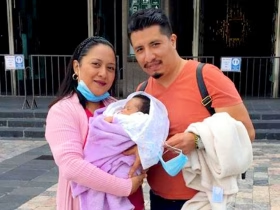
¿Se puede quedar embarazada con quistes en los ovarios? Conoce a Rosy, una mujer de más de 35 invadida de quistes, y cómo logró a su bebé.

Después de los 35 años, Cisne tuvo un embarazo con FIV y logró a sus 2 bebés, aún viviendo con ovario poliquístico. Ella te cuenta su historia.

Denisse te cuenta su historia, sobre su problema de infertilidad, y cómo después de un diagnóstico correcto logró tener a su primera bebita.

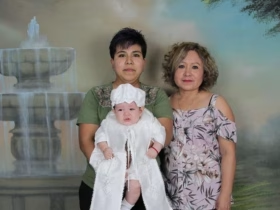
Las mujeres con ovario poliquístico pueden tener hijos. Claudia te cuenta cómo ella lo logró después de buscar a su bebé por más de 5 años.

Berenice tuvo abortos recurrentes debido a que vive con ovario poliquístico. Conoce su historia y cómo logró a su bebé en su 3er. ciclo de FIV.

Endometriosis is one of the leading conditions affecting women’s reproductive health and their ability to conceive. It often goes undiagnosed in time, which can complicate any assisted reproduction treatment. Although it is possible to become pregnant and have children with endometriosis, close monitoring by reproductive health specialists is essential to protect your well-being at every stage. Learn Blanca’s story and how she managed to have her baby despite this condition. What is endometriosis and how can it affect my chances of having a baby? Endometriosis occurs when tissue similar to the uterine lining grows outside the uterus, causing inflammation, scarring, and pain. This can alter fallopian tube function and ovarian reserve, reducing natural conception rates. Early diagnosis with transvaginal ultrasound or MRI and monitoring AMH (anti-Müllerian hormone) levels in ng/mL allow treatment personalization. Do not self-medicate: before taking any medication, consult an assisted reproduction specialist to increase your chances of pregnancy. What medical and surgical treatments are available for endometriosis? Options include hormonal suppression with GnRH analogs, progestogens, or combined oral contraceptives to reduce lesion activity. If there are painful or obstructive cysts, laparoscopic surgery is recommended to remove endometriomas and adhesions (1–3 cm nodules). Post-surgical recovery lasts 2 to 4 weeks, after which your specialist may propose ovulation induction or IVF. Can I get pregnant with IVF if I have endometriosis? Yes. Many women with endometriosis achieve pregnancy through personalized IVF, optimizing ovarian stimulation, oocyte retrieval (8–15 follicles of 2–20 mm), and embryo transfer. Success rates depend on age, ovarian reserve, and lesion severity, but specialized care at centers like Ingenes significantly improves outcomes. How to choose the right specialist for endometriosis? Look for a reproductive endocrinologist experienced in endometriosis, with access to advanced imaging and a proven track record in assisted reproduction. Read reviews and testimonials—such as “I became a mom despite having endometriosis”—to learn about care quality and patient support. A multidisciplinary team offers comprehensive care. What lifestyle changes help fertility with endometriosis? A balanced diet rich in omega-3 fatty acids and antioxidants, avoiding inflammatory foods (gluten, dairy), is key. Engage in gentle exercise, practice stress management techniques (yoga, mindfulness), and get good sleep to maintain hormonal balance. Quit smoking and limit caffeine to under 200 mg/day (≈2 cups of coffee). Blanca’s success story with endometriosis and IVF “At 35, I was diagnosed with endometriosis and told I had a 0% chance of becoming a mother. After several misdiagnoses and a very painful hysterosalpingogram, I lost hope. In 2018 a friend recommended Ingenes: there they told me I had PCOS and endometriosis, but that I could succeed. Their IVF protocol gave me a positive result on the first attempt.” “I didn’t discover my pregnancy until the fourth month, when I found out I was having a girl. Holding María Eugenia in my arms changed my life: she is perfect. The journey was difficult, but Ingenes’ expert care and personalized treatment gave me my greatest joy.” How to start your path to pregnancy with endometriosis? If you also have endometriosis or another fertility challenge, schedule a consultation with a specialist. At Ingenes we offer an Initial Program to evaluate your medical history, hormonal profile, and previous cycles, and design a plan tailored to you. This is the path that will bring you closer to your little star. FAQ 1. Can endometriosis go away on its own? It is a chronic condition that does not resolve without intervention. Hormonal treatments suppress symptoms, but surgical removal is often necessary to eliminate the tissue. After surgery, medical therapy reduces the risk of recurrence. Regular follow-up with imaging and clinical evaluation ensures early detection of new lesions. Lifestyle adjustments and specialist support maintain quality of life and reproductive potential. 2. What risks come with delaying fertility treatment for endometriosis? Delaying treatment can cause lesions to grow, more scarring, and diminished ovarian reserve. In advanced stages (III–IV), natural conception rates drop and the IVF protocol becomes more complex. Timely intervention helps preserve ovarian function, improves assisted reproduction success rates, and relieves chronic pain. Consultation within six months of diagnosis is recommended. 3. How does endometriosis affect IVF success? It can reduce ovarian response, fertilization, and increase miscarriage risk. However, with personalized gonadotropin dosing, surgical management of endometriomas, and embryo vitrification, rates comparable to other indications are achieved. Centers experienced in endometriosis, like Ingenes, report live birth rates over 40% per cycle in patients under 38 years old. 4. Are there non-hormonal therapies for endometriosis pain? Yes. NSAIDs (ibuprofen 400 mg every 6–8 hours) relieve pain. Complementary therapies—acupuncture, pelvic physiotherapy, and dietary changes—can reduce inflammation and pain perception. Always consult your specialist before integrating adjunct therapies so they align with your fertility goals. Sources National Library of Medicine. (2023). Endometriosis. MedlinePlus. https://medlineplus.gov/endometriosis.html Giudice, L. C. (2010). Clinical practice. Endometriosis. The New England Journal of Medicine, 362(25), 2389–2398. doi:10.1056/NEJMcp1000274 Practice Committee of the American Society for Reproductive Medicine. (2012). Endometriosis and infertility: a committee opinion. Fertility and Sterility, 98(3), 591–598. doi:10.1016/j.fertnstert.2012.05.019 Santulli, P., & Borghese, B. (2016). Endometriosis: epidemiology, classification, pathogenesis, treatment and genetics. International Journal of Molecular Sciences, 17(5), 777. doi:10.3390/ijms17050777 Remember that every story is unique: you are not alone. Consult a reproduction specialist for personalized guidance and support on your journey to parenthood.


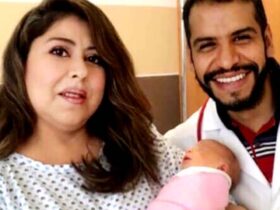
Guadalupe utilizó el método ROPA para quedar embarazada y ser madre de Matías junto a su esposa. Un bebé de ambas, conoce su historia aquí.

Female fertility declines with age, and achieving pregnancy naturally after 35 is usually more challenging and carries higher risks. Thanks to advances in assisted reproduction, today it’s possible to become a mom or dad with fewer obstacles, even after 40, through fertility treatments. Learn Olga’s story, who at 43 fulfilled her dream of becoming a mother thanks to a multicycle In Vitro Fertilization program. What complications arise when trying to conceive at 43? Olga – Ingenes mom “We went through painful procedures without finding the cause: ‘infertility of unknown origin.’ My husband and I thought it was almost impossible to make it in time. Over the years I understood that, even though we postponed motherhood, that hope remained alive.” How does the biological clock impact you after 40? Angelique – Olga’s daughter “I was 43 and my husband was 47; since it was my first pregnancy everything got complicated. We tried to conceive without help, but after 1.5 years and two clinics with no success, the emotional toll was immense: tests, ultrasounds, hysterosalpingograms…” What role does social pressure play? The pressure is intense. Even if you don’t believe “a woman only fulfills herself by being a mother,” when you want it with all your heart, every setback hurts and affects your mood, self-esteem and creates anxiety. Angelique celebrating with her parents and grandmother I almost gave up and thought about adoption. My husband and I supported each other and decided to give it one last try. It was the best decision of our lives. How did Olga succeed with IVF at Ingenes? I arrived at Ingenes in 2015 and, after three years of persistence, the final IVF cycle was intense: daily labs, follicle monitoring, egg retrieval and embryo transfer. Three months later, seeing the heartbeat on the first ultrasound made it all worthwhile. When the doctor said, “it’s a girl,” our hearts exploded with emotion. Angelique’s first cry at birth was the most sublime moment: pure joy and relief. Angelique in her ball pit Angelique brightened our lives and taught me that at 43, motherhood transforms everything: priorities, passions and the meaning of being. Options for women over 40 Becoming a mother at 40 is possible. At Ingenes we design a personalized plan that optimizes your chances in the shortest time. With our Initial Program we thoroughly evaluate your fertility. Our Assisted Reproduction specialists guide you every step of the way. Share your story or read testimonials: single mom at 43 or mother at 40. Soon you’ll be holding your baby. Frequently Asked Questions What is the success rate of IVF in women over 40? The IVF success rate between ages 40 and 45 ranges from 10% to 30% per cycle, depending on ovarian reserve and embryo quality (Human Reproduction; Fertility and Sterility). Preimplantation genetic testing (PGT-A) increases the chance of clinical pregnancy. What risks come with pregnancy at 43? The risk of hypertension, gestational diabetes and premature birth is up to double compared to women under 35 (Mayo Clinic; MedlinePlus). Strict obstetric monitoring, regular ultrasounds and surveillance of glucose and blood pressure reduce complications. How do stress and emotional support influence outcomes? Chronic stress alters the hypothalamic-pituitary axis, affecting ovulation and implantation (Journal of Assisted Reproduction and Genetics). Psychological support and support groups improve success rates. Is self-medicating with fertility treatments advisable? Do not self-medicate. The dosage and combination of drugs for ovarian stimulation require medical supervision. A specialist will design your protocol based on your hormonal profile and history, with monitoring via ultrasounds and lab tests. Sources American Society for Reproductive Medicine. Evaluation and Treatment of Infertility: A Guide for Patients (2020). MedlinePlus. In Vitro Fertilization (2022). Practice Committee ASRM. Testing and interpreting measures of ovarian reserve (Fertility and Sterility, 2017). Mayo Clinic. Pregnancy after 40: Health risks for mother and baby (2021). We know how challenging this journey can be. You are not alone: trust in your strength and seek professional support. Consulting a fertility specialist can make the difference in your life story.

Getting pregnant at 40 is possible and safe. After 35, the quality and quantity of eggs decrease, reducing the chances of conceiving. It’s a natural process, but Assisted Reproduction Technologies (ART) help you “stop the biological clock” and achieve a baby even after 40. Below, Ruth shares how at 44, with a multicycle In Vitro Fertilization treatment, she fulfilled her dream of becoming a mother. What challenges does getting pregnant at 40 pose? “I had ruled out motherhood; I thought it was no longer possible because of my age. When I met my husband, trying again became a big dream.” At 44, after six months of natural attempts, Ruth went to Ingenes. Although she ovulated regularly and had no uterine issues, conception didn’t happen. Tailoring IVF for women over 40 In her first cycle, the emotional ups and downs were intense. “My doctor and nurse gave me patience and warmth. Feeling secure made all the difference.” After a failed attempt, they discovered a cervical constriction via hysteroscopy and designed a custom protocol for her. The success of the second transfer With the second transfer, Benjamin was born. “I rested for a month to recover, returned from Las Vegas to Mexico, and received the greatest blessing.” When she heard him cry, she felt her soul return. “Today my heart beats outside of me through my child.” Key treatments and support after 35 If you are over 35 and haven’t conceived after 6 months, see a specialist. ART includes ovarian stimulation, ICSI, egg donation, and preimplantation genetic diagnosis. At Ingenes, our Initial Program offers: Hormone profile and AMH levels (ng/mL). Antral follicle count by ultrasound. Personalized treatment plan. If you want to share your story, tell us here. You can also read other testimonials like “Pregnancy at 48 with low ovarian reserve” and “Mother at 40”. FAQ about pregnancy at 40 Is pregnancy after 40 risky? There may be a higher risk of hypertension and gestational diabetes, but with check-ups every 4–6 weeks and a BMI between 18.5–24.9, these risks decrease. A balanced diet with 0.8 g/kg of protein daily helps maintain health. Specialists also recommend folic acid (400 µg daily) and 30 mg of iron per day, all under medical supervision. How long should you try naturally before seeing a specialist? Under 35: consult after 12 months without results. Over 35: ideally at 6 months. Early diagnosis with FSH, LH, AMH tests, and antral follicle ultrasound optimizes your treatment. What is an antral follicle count? It measures the small follicles in the ovaries by ultrasound. Between 8 and 12 follicles indicate good reserve; fewer than 5 may suggest low reserve and recommend egg donation. Along with AMH, it helps adjust the FSH dose (up to 375 IU daily). How does egg quality affect late conception? With age, chromosomal aneuploidy increases and the rate of euploid embryos drops to 10% between 40 and 45 years. That’s why PGT-A is useful to select healthy embryos. Combined with multi-egg cycles, success can reach 50% per transfer. Sources consulted American Society for Reproductive Medicine. Age and fertility: a guide for patients. 2020. National Institutes of Health. Fertility (male and female). 2022. Practice Committee ASRM. Testing and interpreting ovarian reserve. Fertility and Sterility. 2015. World Health Organization. WHO recommendations on preconception. 2018. We know this journey can be challenging. You are not alone: seek the support of an assisted reproduction specialist to receive the right guidance and treatment. Your dream of becoming a mother or father is closer than you think.

Motherhood is a right for everyone, regardless of economic status, nationality, race, or age. Deciding to have a child is one of life’s most beautiful experiences, and each person chooses the moment they feel is ideal. It’s true that as the years go by the chances of pregnancy decrease, but they don’t disappear. Many women achieve their dream at stages they thought were impossible. Assisted Reproduction Technology has transformed the lives of those who want to become mothers. A clear example is Carolina, who in her forties welcomed her daughter Cielo. How did I become a mom after 40 thanks to assisted reproduction? “On May 10, 2018, I discovered I was pregnant. The doctor confirmed it and my husband sent me a photo with baby socks: we were going to be parents!” – Carolina Carolina and Fernando celebrate the arrival of their daughter Cielo “I cried with emotion: it was the most beautiful news of my life. Now my goal is to enjoy every moment with her, while life allows us.” – Carolina Challenges during my pregnancy at 40 My pregnancy was smooth, although I developed gestational diabetes, which I managed with a balanced diet and gentle exercise. My husband supported me in everything, sweetening my cravings with fresh fruit and low-carb desserts. Cielo dressed as a pumpkin on her first Halloween My journey to conception with In Vitro fertilization After five years of trying and three unsuccessful intrauterine inseminations, we started our first in vitro fertilization cycle. It didn’t work, but the medical team encouraged us to continue. In the next cycle, my husband and I took hormonal medication: 150 IU daily of subcutaneous FSH and 0.25 mg of a GnRH antagonist, according to a personalized ovarian stimulation protocol. Fernando holds his little daughter Cielo The most exciting moment When they brought out Cielo and I saw her for the first time, I cried with joy. She weighed 3.2 kg and measured 51 cm, with beautiful hair. My husband and our doctors were by my side: my heart exploded with love. Cielo’s first birthday, surrounded by love Inspiration to become a mother after 40 Cielo is my greatest gift. Thanks to her, I learned to value every moment and always show her the light of life. Every kiss from her fills me with energy and hope. Carolina and Cielo at her baptism, an unforgettable day Options to get pregnant at 40 With age, ovarian reserve and egg quality decrease, and risks like miscarriage or complications such as diabetes or hypertension increase. But the good news is that assisted reproduction offers: Egg or sperm donation Gamet cryopreservation Personalized stimulation protocols At Ingenes Institute we have been changing lives for 17 years with our IVF lab, egg bank, sperm bank, and a team of committed specialists. Read more stories: Single mom at 40: my brave decision Single mom at 46: my dream fulfilled FAQ – Frequently Asked Questions 1. Is it safe to get pregnant after 40? There is a higher risk of complications such as gestational diabetes, hypertension, or miscarriage. With medical follow-up, a balanced diet, and moderate exercise, many women have healthy pregnancies. Never self-medicate: always consult a specialist. Assisted reproduction evaluates your ovarian reserve with AMH tests and antral follicle count (AFC) to design a stimulation plan that maximizes your chances. 2. What assisted reproduction treatments are recommended for women over 40? The most effective are in vitro fertilization (IVF) with or without ICSI and, when ovarian reserve is low, egg donation. A specialist in assisted reproduction will guide you to the best option. Egg donation has over a 50% pregnancy rate per cycle with young eggs. Plus, vitrification allows you to preserve your fertility for the future. 3. How do diet and lifestyle influence fertility at 40? A diet rich in antioxidants (fruits, vegetables, oily fish) and low in ultra-processed foods improves egg quality. Maintaining a healthy BMI (18.5–24.9 kg/m²), avoiding alcohol and tobacco, and reducing stress with yoga or meditation boosts your fertility. Supplements like folic acid (400 µg/day), vitamin D (1,000–2,000 IU/day), and Coenzyme Q10 (100 mg/day) support mitochondrial function in eggs and reduce oxidative stress. 4. What should I know before choosing an egg or sperm bank? Check the laboratory’s certification, sample quality (morphology, motility), and donors’ genetic testing. A good bank offers genetic and psychological counseling for an ethical, transparent process. Ask about post-thaw survival rates, infectious and genetic screenings performed, and the total cost. Always look for international standards. Sources Consulted Office on Women’s Health. (2022). Fertility and Age. https://www.womenshealth.gov Practice Committee ASRM. (2015). Testing and interpreting measures of ovarian reserve. Fertility and Sterility, 103(3), e9–e17. MedlinePlus. (2023). Gestational Diabetes. https://medlineplus.gov/spanish/diabetesgestacional.html ACOG. (2021). Advanced maternal age. Obstetrics & Gynecology, 138(3), e7–e9. You’re taking an important step toward your dream. Rely on a specialist in assisted fertilization: you and your future baby deserve the best care!

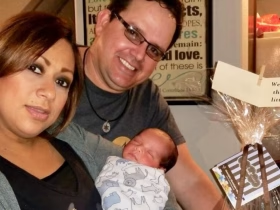
Una mala calidad de óvulos no impide que tengas un bebé. Iraí te comparte su camino y el tratamiento específico que la ayudó a lograrlo.

Rebeca pasó por un diagnóstico de ovario poliquístico, endometriosis y una cirugía innecesaria, antes de lograr a sus bebés in vitro. Conoce su historia aquí.

An incorrect fertility diagnosis can delay the dream of becoming a mom or dad and lead to treatments that don’t match what the patient really needs, especially when uterine fibroids are involved. This is how Denisse and her husband lived for 8 years: after several attempts they decided to turn to Ingenes for a comprehensive fertility diagnosis. Discover their story. What challenges do uterine fibroids pose for conceiving? Denisse, Ingenes mom “I had been trying to have a baby for 8 years. My husband and I left Venezuela for Querétaro, Mexico. We did three cycles of artificial insemination and two IVF attempts, but we always ended up disappointed. I felt alone and overwhelmed; I didn’t understand why fibroids—benign growths in the uterus—were overshadowing our dream. When a fibroid distorts the cavity, it can hinder implantation or cause recurrent miscarriages. How did the IVF experience change when moving to Mexico City? When we arrived in Mexico City we met the Ingenes team. In the first consultation I asked for total clarity: “Tell me what’s happening and if I can become a mother.” The diagnosis was uterine fibroids and, although I was frightened at first, the doctor explained that IVF was still an option. That certainty gave us hope again. Ingenes family enjoying an outing What emotions arise when undergoing IVF with fibroids? “The day they told me I was pregnant, my heart was racing a thousand miles an hour. My husband and I cried with joy. But at 8 weeks I had bleeding that filled me with fear and sleepless nights, thinking our dream was slipping away. The next day, when I heard the baby’s heartbeat—‘thump, thump, thump’—on the ultrasound, I knew our daughter was strong. That sound turned my anxiety into certainty that we could overcome any obstacle. Why is a personalized treatment vital when fibroids are present? Becoming a mother through assisted reproduction is possible! Fibroids vary in size (cm) and location; that’s why each plan must be tailored: from surgery to specific IVF protocols. Avoid self-medicating and before taking any medication, talk to a reproductive medicine specialist. At Ingenes we offer our Initial Program, a comprehensive evaluation with a hormonal panel (FSH, LH, AMH) and imaging studies (ultrasound with measurements in mm) to discover what is preventing your pregnancy. Our assisted reproduction specialists design the ideal plan, which may include laparoscopic myomectomy or adjusted stimulation protocols to improve your chances. Read similar cases, such as “After 10 years trying and with fibroids, I had my baby” or “I became a mom despite having endometriosis” and find out how others overcame their challenges. Frequently Asked Questions 1. Can fibroids reduce IVF success? Yes. Submucosal fibroids, which invade the uterine cavity, distort the endometrium and lower implantation rates. Studies indicate that hysteroscopic myomectomy can raise IVF success from ~30% to over 40% per cycle. Intramural or subserosal fibroids (measured in cm) tend to affect less, depending on size and number. A personalized imaging evaluation determines if surgery is necessary before IVF. 2. What fibroid size requires removal before IVF? Generally, fibroids ≥3 cm compressing the cavity should be removed to improve implantation. Those under 2 cm outside the uterus can be monitored. The decision depends on symptoms (bleeding, pain) and reproductive plans. Always consult your specialist to weigh risks and benefits. 3. How long to wait after myomectomy before starting IVF? Recovery time varies: laparoscopic surgery requires 6–8 weeks, open surgery up to 12 weeks for uterine healing. Do not attempt pregnancy until the doctor confirms uterine integrity with an ultrasound. Once approved, optimal ovarian stimulation is planned and embryo transfer is scheduled under the best conditions. 4. Are there non-surgical alternatives to treat fibroids during fertility? Yes. GnRH agonists can reduce fibroids (mL or mm) by inducing a temporary hypoestrogenic state. Treatment lasts 3–6 months and can decrease fibroid volume by up to 50%. Uterine artery embolization is another option, though its impact on ovarian reserve (AMH in ng/mL) must be carefully evaluated. Talk to your reproductive endocrinologist to choose the best strategy. References ACOG. (2021). Uterine Fibroids: ACOG Practice Bulletin No. 228. Obstetrics & Gynecology, 137(6), e100–e115. https://doi.org/10.1097/AOG.0000000000004656 National Library of Medicine. (2022). Fibroids and Infertility. MedlinePlus. https://medlineplus.gov/fibroidsandinfertility.html Practice Committee of the American Society for Reproductive Medicine. (2020). Role of fibroids in infertility. Fertility and Sterility, 114(3), 477–488. https://doi.org/10.1016/j.fertnstert.2020.05.030 Stewart, E. A. (2019). Uterine fibroids. The New England Journal of Medicine, 380(14), 1314–1325. https://doi.org/10.1056/NEJMra1801438 We know how challenging this journey can be. Don’t lose hope or self-medicate: always consult a fertility specialist to guide you every step of the way.

Tener un bebé por medio de una ovodonación no es una decisión sencilla y, por eso mismo, requiere que cuentes con información precisa, y que tomes un tiempo para analizar esto junto con tus deseos de maternidad. Es por eso que te compartimos la historia de Lorena, quien debido a su baja reserva ovárica, recurrió a la donación de óvulos para tener a su pequeña mediante una FIV.

When you try to conceive a baby, the journey can be challenging and full of emotional and physical ups and downs. If you suffer from adenomyosis or another infertility condition, you know that doubts and fear can grow. Eridani’s story shows that there is hope. She overcame adversity thanks to Assisted Reproduction Methods and today enjoys the joy of being a mom. Eridani, proud Ingenes mom What is adenomyosis and how does it affect fertility? Adenomyosis occurs when the tissue that normally lines the uterus grows into its muscular wall. This often causes heavy bleeding (up to 200 ml per cycle), pelvic pain, and an enlarged uterus (sometimes 1–2 kg heavier). All of this can make embryo implantation difficult and reduce natural fertility. Some women have severe cramps, others mild discomfort. It is usually diagnosed between ages 40 and 50, but it also affects women in their 30s and even late 20s. It is detected with a transvaginal ultrasound or MRI. Treatments range from hormonal therapy to minimally invasive surgery, always tailored to your motherhood goals. Do not self-medicate: always consult a specialist. How did Eridani overcome adenomyosis to conceive? “I told Enrique, ‘If you want, find someone else, I’m the problem.’ It was very hard. My life was just work until I got married and discovered my longing to become a mom.” After almost 3 years of trying in Mexico and New York with no results, she came to Ingenes. There they confirmed endometriosis, adenomyosis, and poor egg quality. With a personalized ovarian stimulation protocol (225 IU of FSH daily) and careful embryo culture, she achieved a successful twin pregnancy. Ingenes babies feeding Assisted reproduction options for adenomyosis It depends on your age, the severity of adenomyosis, and your motherhood plans. Options include: Hormonal suppression (GnRH agonists) to reduce the uterus by up to 30% in 3–6 months. Minimally invasive surgery (adenomyomectomy) to remove lesions and preserve the uterus. In vitro fertilization (IVF) with stimulation and frozen embryo transfer. Before any medication or procedure, consult a specialist in Assisted Reproduction. Emotional and practical tips during treatment Keeping stress under control and a healthy lifestyle helps a lot. Try: Yoga or mindfulness to reduce cortisol. A diet rich in omega-3 and antioxidants. Support groups or therapy to share experiences. With your partner’s love and your trusted network, the process will be more bearable. Proud Ingenes parents with their daughters For more inspiring testimonials, visit: I became a mom despite having endometriosis and I had uterine fibroids and became a mother with IVF. How to start your journey to motherhood with adenomyosis? Schedule an evaluation with a fertility specialist. They will review your history, perform imaging studies, and propose a personalized plan. Early detection and timely treatment can make all the difference. Frequently Asked Questions 1. Can adenomyosis go away on its own? No. Without intervention it usually worsens, with more bleeding and pain. Early diagnosis allows for medical management that improves your quality of life. 2. Does it affect pregnancy outcomes? It increases the risks of miscarriage, preterm birth, and placental complications. With personalized protocols, such as GnRH pre-treatment before IVF, success rates improve. 3. Natural remedies for pain? Thermotherapy, anti-inflammatory diets, and supplements (omega-3, turmeric) can help, but never replace medical treatment. Always consult your doctor. 4. Adenomyosis vs. endometriosis? Both involve endometrial tissue outside its normal location. In endometriosis it is on pelvic organs and the peritoneum; in adenomyosis, it is within the uterine muscle. Management differs, so good imaging is key. Sources consulted American College of Obstetricians and Gynecologists. Practice Bulletin No. 228: Management of Endometriosis. Obstetrics & Gynecology, 135(4), e65–e81. doi:10.1097/AOG.0000000000003774 National Library of Medicine. (2021). Adenomyosis. MedlinePlus. https://medlineplus.gov/adenomyosis.html Harmsen, M. J. A., et al. (2019). Adenomyosis: Prevalence, risk factors and therapeutic options. Best Practice & Research Clinical Obstetrics & Gynaecology, 65, 40–49. doi:10.1016/j.bpobgyn.2019.01.002 Vercellini, P., et al. (2017). Medical treatment for adenomyosis: A systematic review. International Journal of Obstetrics & Gynaecology, 124(1), 3–8. doi:10.1111/1471-0528.14301 We are with you every step of the way. Remember that seeking professional help in assisted reproduction could be the key to making your dream of becoming a mother or father come true.

When the desire to have a child is so strong, nothing and no one can stop it. Assisted reproduction breaks down barriers, pushes science to the limit to create life, and connects with the deepest longing of many couples. How much do you dream of becoming a mother or father? Here is Luz’s story, who had to choose between staying in her marriage or pursuing her dream of starting a family. What is skin-to-skin contact and why is it so powerful? “When Leonardo was born and they placed him on my chest, I couldn’t believe it: he finally existed! He stayed skin-to-skin with me for an hour… in that moment everything is forgotten, it’s an indescribable love.” Skin-to-skin contact right after birth stabilizes the baby’s temperature and heart rate, strengthens the bond, and triggers the mother’s oxytocin, creating a deep emotional connection. Luz and her husband traveled a long road to reach that moment. She was 33 when she said, “I thought I could give up that part of my life, but no: I want a baby, and if you don’t, we should separate.” That decision marked the beginning of her assisted reproduction journey. What factors led Luz to assisted reproduction? After trying naturally, Luz was diagnosed with polycystic ovary syndrome (PCOS) and her husband with teratozoospermia, conditions that lowered their chances of conceiving to 10%. They then decided on in vitro fertilization (IVF): in a laboratory, eggs and sperm are combined, and healthy embryos are transferred to the uterus. Thanks to advances in reproductive medicine and a personalized protocol with ovarian stimulation of 225 IU of gonadotropins, Luz achieved a twin pregnancy on the first cycle. Leonardo and Daniela were born healthy after careful monitoring and neonatal care. How did IVF change Luz’s life and what can you expect? “It wasn’t easy, but when you’re in treatment you realize how many people can’t become parents—it’s more common than you think, and that helps… we were lucky: it worked on the first try. Twins: Leonardo and Daniela. They took a while to hand me Daniela because they wanted to check her, but then she was perfect.” IVF success rates vary by age and clinic; for women under 35, they hover around 40% live births per cycle. At INGENES, embryologists use time-lapse incubators and preimplantation genetic testing (PGT-A) to select the strongest embryos and increase implantation chances. Can assisted reproduction make your dream of becoming a parent come true? The technology available today in Mexico at institutions like INGENES provides solutions for those who have not yet conceived: IVF, ICSI, egg vitrification, and donation programs, with protocols tailored to your needs. If you entrust us with your story, together we will write the best chapter. We know some paths are long, but at INGENES we turn them into an adventure with a clear direction: your family. Discover our assisted reproduction treatments and take the first step toward your baby. Frequently Asked Questions 1. What is in vitro fertilization and how does it work? IVF is an assisted reproduction procedure in which eggs are retrieved from the ovaries, fertilized with sperm in a laboratory, and after several days of culture, a viable embryo is transferred to the uterus. During ovarian stimulation, 150–300 IU of gonadotropins are administered to develop multiple follicles. IVF success depends on age, gamete quality, and laboratory expertise. In women under 35, implantation rates can reach 40% per cycle. Before starting, consult a reproductive medicine specialist to assess your case. 2. What risks and care are involved after an IVF cycle? Risks include mild ovarian hyperstimulation syndrome, which can cause abdominal bloating and general discomfort but is controlled by adjusting medication. There is also a low risk of multiple pregnancies; that’s why at INGENES we recommend transferring a single embryo whenever possible. After transfer, rest moderately for 24 hours, maintain a calm routine, and avoid strenuous physical activity. Do not self-medicate without consulting. Progesterone supplementation (e.g., 600 mg/24 h vaginally) supports implantation and reduces miscarriage risk. 3. How do emotional support and the partner influence treatment success? Psychological support reduces stress and anxiety, improves hormonal balance, and endometrial receptivity. Studies show patients with emotional support have a 10–15% higher chance of achieving pregnancy. Involving the partner at every stage, from stimulation to control ultrasounds, strengthens the bond and shares the emotional load. At INGENES we offer counseling sessions for couples and personalized nutritional advice. 4. What alternatives are there if the first IVF cycle doesn’t work? If pregnancy is not achieved, factors such as embryo quality, endometrial receptivity, and genetics are reviewed. Additional tests like PGT-A can be incorporated or the protocol adjusted. Egg or sperm donation and surrogacy are options in cases of repeated failure or uterine factor. Before deciding, review your results with the specialist to define the most appropriate path. Sources American Society for Reproductive Medicine. (2021). In vitro fertilization (IVF). Retrieved from https://www.asrm.org MedlinePlus. (2022). Assisted reproductive technology. Retrieved from https://medlineplus.gov/assistedreproductivetechnology.html Kassabji, M., & Holmes, M. (2020). The impact of psychological support on IVF outcomes: A systematic review. Human Reproduction Update, 26(3), 350–364. doi:10.1093/humupd/dmz043 Practice Committee of the American Society for Reproductive Medicine. (2019). Diagnostic evaluation of the infertile female: A committee opinion. Fertility and Sterility, 111(1), 9–13. doi:10.1016/j.fertnstert.2018.11.034 We know how important your longing to become a parent is. If you have questions, seek the support of an assisted reproduction specialist to receive the guidance and care you and your partner need.

Becoming a mother is a decision filled with emotion and meaning. Lluvia decided to do it on her own at 40, embarking on a journey of courage and hope. Nowadays, more women choose to become mothers without a partner, either by conviction or life circumstances. Through Lluvia’s story you’ll learn about her motivations, the challenges she faced, and her experience as a single mother thanks to assisted reproduction. Discover how science opened doors for her and read real testimonials like “I Became a Mother at 40” and “I Wanted to Be a Single Mother and Finally Had My Babies at 46.” What motivates a woman to become a single mother at 40? Lluvia always felt a very strong maternal instinct. Upon turning 40, concerns about her biological clock and social expectations led her to decide: use her own eggs and a trusted friend as sperm donor. Avoid self-medication and seek professional guidance to assess your ovarian reserve with tests like AMH and antral follicle count. Before starting, consult a specialist in Assisted Reproduction to design a personalized plan. What challenges does single motherhood with IVF at 40 entail? Age reduces egg quality and quantity. After detecting a fibroid, Lluvia underwent myomectomy and waited eight months before IVF. She faced emotional stress, uncertainty, and the routine of daily FSH and LH injections (around 225 IU). Physical recovery and anxiety over success rates (below 30% for women over 40) test one’s strength. Having a team of a reproductive specialist, psychologist, and nutritionist makes a difference in outcomes and well-being. How to prepare for fertility treatments at 40 as a single woman? A diet rich in folates and antioxidants, 50 g of protein daily, avoiding tobacco and excess caffeine, and taking 400 µg of folic acid are good first steps. Moderate exercise, yoga, and mindfulness help hormonal balance. Have ovarian reserve tests, pelvic ultrasound, and infection screening done as soon as possible. Support from counselors or online groups reduces loneliness and maintains motivation. What support exists for single mothers undergoing IVF? Specialized clinics offer financial counseling, legal support for donation agreements, and psychological assistance. Online communities connect women with similar experiences, reducing isolation. Scholarship programs or shared risk plans lower costs, and the testimony of other mothers—like “I Became a Mother at 40”—provides practical advice and hope. Emotional journey after IVF success After a positive pregnancy test, many maintain cautious optimism. Lluvia waited until week 12 to share the news with her family. Celebrating each milestone—the first ultrasound, the heartbeat—reinforces confidence. Postpartum support is vital. Professional guidance and mother groups help with subsequent changes and ensure that mother and child thrive during the first year and beyond. Advantages of assisted reproduction for single mothers IVF, egg vitrification, and sperm donation expand the options for starting a family. Personalized protocols optimize chances, showing it’s no longer necessary to rely solely on adoption or co-parenting. Stories like Lluvia’s, Tony’s at 43, and Alba’s at 48 demonstrate that science and personal determination can challenge age limits and social conventions. FAQ on becoming a single mother at 40 1. What is the success rate of IVF for women over 40? Between 15% and 30% per cycle using own eggs, depending on ovarian reserve, embryo quality, and clinical experience. To improve outcomes, get AMH and AFC tests, optimize your lifestyle, and follow a personalized hormonal protocol. 2. Is it safe to use a sperm donor? Yes, if you choose a certified bank with genetic and health screenings. Legal and psychological counseling will help you manage ethical and emotional aspects. 3. How to manage emotional support during treatment? Cognitive-behavioral therapy, online groups, and support from family and friends are key. Relaxation, meditation, and mindfulness techniques reduce anxiety. 4. What costs does IVF involve and is financing available? A cycle can cost between $3,000 and $15,000 USD, plus $1,000–$5,000 USD in medications. There are payment plans, medical loans, shared risk programs, and some scholarships. Sources Consulted American Society for Reproductive Medicine. (2022). Assisted Reproductive Technology Success Rates. National Library of Medicine. (2023). Age and Fertility: What You Need to Know. MedlinePlus. European Society of Human Reproduction and Embryology. (2021). ESHRE Guidelines: Ovarian Stimulation. Centers for Disease Control and Prevention. (2020). CDC Fertility Clinic Success Rates Report. We are with you every step of this journey. If you are considering motherhood through assisted reproduction, consult a specialist to receive the best guidance and support.

El estrés por quedar embarazada no debe menospreciarse. Conoce a Elba y cómo logró a su bebé atendiendo su salud reproductiva y emocional.

Clara tiene útero retroverso, como 1 de cada 5 mujeres. Conoce su historia y cómo se transformó en mamá cuando tenía más de 39 años.

A los 36 años, Conny tuvo problemas para ser mamá de nuevo. Su esposo tenía la vasectomía, pero pudieron lograrlo con una fecundación in vitro.

At Ingenes, we are excited to announce that we will host two scientists from Oregon Health & Science University (OHSU), world leaders in gene therapy and reproductive biotechnology. Together, we will advance the IVF MORE® (Magnetic Ovulatory Restoration) technique, an innovative approach designed to improve your egg quality and increase your chances of success in assisted reproduction. What is IVF MORE® and how does it help you? IVF MORE® combines nuclear transfer and mitochondrial replacement so your eggs regain energy and quality. We use 2 mL of optimized cell solutions and 0.5 mL of enriched media to restore mitochondrial function in eggs with low reserve. It is especially indicated if you have had unsuccessful IVF cycles or low oocyte quality. With IVF MORE® we increase the viable embryo rate and improve implantation. OHSU – Ingenes collaboration During the visit of Doctors Shoukhrat Mitalipov and Nuria Martí-Gutiérrez, we will hold a Scientific Exchange on IVF MORE®. We will share ovarian restoration and stem cell reprogramming protocols. With this alliance, we reaffirm our leadership in Latin America in nuclear transfer and gene therapy for assisted reproduction. If you want to increase your pregnancy options, consult an Assisted Reproduction specialist first. First Ovarian Restoration Session In the initial session, we apply follicular biopsy and mitochondrial reconstitution to rejuvenate your eggs. We extract somatic cells to obtain healthy mitochondria and incorporate them into the eggs via microinjection under a stereoscopic microscope. This exclusive protocol offers an alternative to egg donation. Each plan is personalized after detailed serum hormone (KG) and AMH diagnostics. Avoid self-medication: trust your specialist. The key role of our laboratory Our laboratory features controlled-atmosphere incubators, time-lapse systems for embryo monitoring, and state-of-the-art sequencers. This way, we optimize every phase of IVF. Here we perform preimplantation genetic testing (PGT) to ensure you transfer only top-quality embryos. Learn more about the vital role of the laboratory in our IVF process. 20 years of fertility innovation In 2025, we celebrate 20 years of transforming lives with a multidisciplinary team and cutting-edge technology. If you’re ready to take the next step toward parenthood, IVF MORE® could be the answer you’ve been looking for. Contact our specialists and discover your personalized path. Frequently Asked Questions Who are the OHSU specialists and what do they bring? Doctors Mitalipov and Martí-Gutiérrez are leaders in nuclear transfer and mitochondrial replacement. They bring advanced protocols to restore ovarian function for those with poor egg quality. How does IVF MORE® differ from conventional IVF? IVF MORE® adds healthy mitochondria and cellular reprogramming to enhance oocyte viability. This translates into higher embryo cleavage rates and better implantation, especially after failed cycles. At what age is it recommended? It is especially recommended for women with low ovarian reserve or over 38 years old. Each case is evaluated with hormonal tests (FSH, AMH) and ultrasound, and the appropriate hormone dosage is designed. What precautions should I take? Do not self-medicate. Have a complete hormonal profile done and share your history with your specialist. Maintaining a balanced diet, moderate exercise, and stress management improves your ovarian response. Sources Consulted National Library of Medicine (2022). Mitochondrial Replacement Therapy. https://medlineplus.gov/mitochondrialreplacementtherapy Harvard T.H. Chan School of Public Health (2021). Assisted Reproductive Technologies. https://doi.org/10.1002/9781119156805 ESHRE (2020). Guidelines on IVF. https://www.eshre.eu/Guidelines-and-Legal/Guidelines/IVF ASRM (2019). Nuclear Transfer in Human Embryos. Fertility and Sterility, 112(6), 1009-1020. https://doi.org/10.1016/j.fertnstert.2019.08.015 We know this journey can be challenging. You’re not alone! Consult an in vitro fertilization specialist for personalized guidance and support.

Ana tuvo problemas de tiroides, quistes y con sus trompas de Falopio, conoce su testimonio de fecundación in vitro y cómo logró tener a sus cuatitos.

Baja reserva ovárica y FIV positiva en su tercer intento, conoce a Claudia, quien se convirtió en mamá después de varios tratamientos fallidos.

Conoce la historia de María del Carmen y cómo logró su embarazo con ligadura de trompas, aún teniendo 50 años y su esposo 58.

Fernanda tuvo su embarazo con ovario poliquístico, al realizar un tratamiento multiciclo de Fertilización In Vitro, aquí te cuenta su historia.

Cecilia se convirtió en mamá de Angélica al tener un embarazo a los 48 años. Conócela aquí y sobre el tratamiento FIV que lo hizo posible.

Soy Claudia, tengo endometriosis y quedé embarazada. Conoce su historia y cómo vive este padecimiento que afecta a 7 millones de mexicanas.

In Oregon, United States, Philip and Rachel Ridgeway have just welcomed their twins conceived more than thirty years ago, thanks to embryos frozen in 1992 and donated by the National Embryo Donation Center in Knoxville, Tennessee. Philip Ridgeway and Rachel Ridgeway What is cryopreservation and how does it protect embryos? Cryopreservation involves freezing embryos at –196 °C (liquid nitrogen) to keep them viable until transfer, usually at the blastocyst stage (day 5–6 after fertilization). The process begins like IVF: ovarian stimulation, egg retrieval, fertilization, and then ultra-rapid freezing at –320 °F. Embryos cryopreserved at subzero temperatures How were twins born from embryos frozen for 30 years? Dr. Karla Yasmín Santiago, a Reproductive Biology specialist, notes that early cryopreservation techniques were less precise, making this case extraordinary. Today, 80 % of embryos survive thawing, but without rigorous lab monitoring pregnancy rates rarely exceed 50 %. “This result is impressive: early methods lacked today’s precision. Even now, only about 80 % of embryos survive thawing and fewer than 50 % achieve pregnancy without strict control and good maternal health.” Dr. Santiago Embryologist at the Ingenes Institute, Mexico City The Spanish Fertility Society (SEF) reports that 80 % of blastocysts survive thawing and pregnancy rates range from 20 % to 50 %. MedlinePlus reports similar figures. How has cryopreservation improved today? With vitrification and advanced protocols, survival exceeds 90 % and pregnancy rates increase. Modern incubators precisely control gases (O₂, CO₂) and temperature. Genetic testing (PGT-A) helps select embryos with the highest chance of a healthy baby. “Today you can freeze your embryos for as long as you need, whether for medical or personal reasons. However, personalized diagnostics are key to success.” Dr. Santiago How to preserve my fertility with cryopreservation? If you’re considering fertility preservation, learn about our preservation services and start with a comprehensive reproductive health assessment. At Ingenes we guide you on freezing eggs or embryos. Schedule your appointment to design a personalized plan and increase your chances of pregnancy. Don’t self-medicate: always consult a Reproductive Medicine specialist. Frequently Asked Questions 1. How Long Can Frozen Embryos Remain Viable? Properly vitrified embryos can remain viable indefinitely. There are successful births after more than 25 years of storage. Key factors are ultra-rapid cooling rates and stable storage at –196 °C, with constant monitoring to prevent crystal formation. Since the 1990s, protocols have improved post-thaw survival to over 90 %, though initial embryo quality and lab expertise remain critical. 2. What Factors Influence Survival After Thawing? Survival depends on embryo quality, vitrification solution composition, cooling and warming rates, and storage stability. Blastocysts (day 5–6) generally withstand thawing better. Lab conditions such as low O₂ levels (5 %), stable temperature, and high-purity nitrogen reduce oxidative stress. The embryologist’s skill is essential for precise thawing. 3. Are There Risks in Transferring Frozen Embryos? Risks are similar to traditional IVF: multiple gestations, ovarian hyperstimulation syndrome (in fresh cycles), and ectopic pregnancy (

Jennifer Aniston, 53, said: “I would have given anything if someone had told me, ‘Freeze your eggs. Do yourself a favor’. You never think about it until time passes and the ship sails.” “In my late 30s and into my 40s, I went through very tough times. I was trying to get pregnant. It was a complicated journey on the path to starting a family.” After years of speculation about her motherhood, the actress revealed: “I underwent In Vitro Fertilization, I took Chinese infusions, I tried everything.” What does “freeze your eggs” mean? When Jennifer says “Do yourself a favor. Freeze your eggs”, she encourages preserving future fertility through vitrification of mature oocytes, which are stored at –196 °C in liquid nitrogen to halt biological aging. Elective cryopreservation is a strategic option to keep reproductive potential active until personal, professional, or health circumstances are right. As explained in this article, it’s a key decision for your family’s future. Step-by-step process Ovarian stimulation: Daily injections of FSH and LH for 10–12 days to develop multiple follicles. Trigger injection: 10,000 IU of hCG or a GnRH agonist for final maturation. Egg retrieval: Ultrasound-guided follicular aspiration under light sedation. Vitrification: Ultra-rapid freezing in cryoprotectant solutions without forming ice crystals. Storage: Preservation at –196 °C in liquid nitrogen, even for decades. Quality report: Assessment of the number, maturity, and morphology of the oocytes. Who should consider it? Women diagnosed with cancer before chemotherapy or radiotherapy. Those with endometriosis or low ovarian reserve. Women under 35 focused on career but wishing to delay motherhood. Anyone with conditions that may affect ovarian function. Deciding when to become a mother is very personal. Egg freezing offers autonomy and relieves biological clock pressure. For those over 40, it can still be an option, though success rates decline with age. Benefits and risks Benefits: Preserves fertility before ovarian aging or gonadotoxic treatments. Reduces anxiety about the biological clock. Provides flexibility in family planning. Mild risks: ovarian hyperstimulation syndrome, anesthetic complications <1%, emotional stress. Consulting a specialist is key to tailor the protocol and manage expectations. Frequently asked questions 1. How many eggs should I freeze to improve my chances? It depends on your age and ovarian reserve. Under 35, women typically aim for 15–20 eggs to achieve a 50–60% live birth rate. Over 38, 20–30 eggs may be needed due to lower survival and fertilization rates after thawing. 2. Does it guarantee a future pregnancy? It doesn’t guarantee, but it increases the odds. Egg quality, tied to age, is crucial. Studies show 90% survival post-vitrification and 35–40% implantation per transfer. 3. Can I use my eggs at any age? Legally, up to 50–55 years. Biologically, maternal health matters. Your specialist and obstetrician will assess your condition before transfer. 4. How long can I store my eggs? Indefinitely, with successful births after more than 10 years. Consent is renewed every 5 years per regulations, and temperatures are monitored to maintain integrity. References American Society for Reproductive Medicine. (2022). Practice Committee Opinion: Oocyte cryopreservation. Fertility and Sterility. MedlinePlus. (2023). Egg Freezing. U.S. National Library of Medicine. Practice Committee ASRM. (2013). Mature oocyte cryopreservation: guideline. Fertility and Sterility. ESHRE. (2021). Guideline on female fertility preservation. Human Reproduction Open. We know this journey can feel overwhelming. Every story is unique and deserves personalized attention. We invite you to contact an assisted reproduction specialist to answer your questions and design a tailored plan. We are with you every step of the way.

Los riesgos de tener un bebé a los 40 no deben detenerte. Inés te cuenta su historia, sus miedos y cómo logró a sus 2 pequeñas a los 46 con FIV.

A mother carrying a baby in her womb alters its genes, even when the egg comes from another woman. This means her child will be born with traits similar to hers, according to a study by the Valencia Infertility Institute Foundation (IVI). How does the maternal uterus influence the genes of a donated embryo? The uterus is much more than a container: during gestation there is constant dialogue between embryo and endometrium. Endometrial fluid exosomes release maternal RNA that reaches the embryonic nucleus and regulates gene expression, adjusting physical and health traits. Studies such as “The Marvelous Science of Egg Donation: Beyond Genes” explain this in detail. Electron microscope of an exosome about to adhere to the endometrium (IVI). For nine months, the embryo receives blood, nutrients, and oxygen through the umbilical cord. These biochemical signals vary according to the gestational carrier’s genetics, habits, and lifestyle, reinforcing that egg donation is only the starting point. It is the uterus that shapes and “signs” the DNA that will guide the baby’s development. What epigenetic changes can gestation cause in egg donation? During gestation, epigenetic interaction can influence: Eye color and shape Hair texture and tone Facial expressions, such as the smile Predisposition to certain metabolic or autoimmune diseases These modifications do not replace the donated genetics but regulate the activation or silencing of specific genes. To learn more, see “The Revolutionary World of Fertility and Egg Donation”. How does genetic exchange occur between embryo and endometrium? Exosome releasing maternal RNA into the cytoplasm of a blastocyst (IVI). Exosomes, 50–150 nm vesicles, transport maternal RNA to the blastocyst’s cytoplasm and adjust gene transcription. The result is a unique epigenetic profile that combines the donor’s inheritance and the carrier’s influence. Why is egg donation a great opportunity? Rocío, 52, had her two babies via egg donation at Ingenes. The egg donation experience lets you carry and give birth to a child with a unique maternal genetic imprint. Avoid self-medication and always consult a Assisted Reproduction specialist before starting any fertility treatment. Frequently Asked Questions about egg donation and uterine genetics 1. Does the gestational mother contribute DNA if the eggs are from another person? Yes. Although the main genetic load comes from the donor, during gestation the uterus releases exosomes with RNA that modulate the embryo’s gene expression, influencing physical traits and future health. 2. What risks or benefits does this genetic interaction have? Benefits include better embryo adaptation to the uterine environment and higher implantation rates. As for risks, long-term impact is still under study: so far there is no evidence of adverse effects, but specialized prenatal follow-up is recommended. 3. Can it influence the baby’s temperament? Personality arises from genetics and environment. Egg donation and uterine influence affect physical traits and biochemical predispositions, but parenting style and the postnatal environment are key to the child’s character. 4. How to choose the best clinic for egg donation? Choose centers with international accreditations, multidisciplinary teams, and evidence-based protocols. Review their success rates, lab technology, and psychological support offered before and after birth. Sources Vilella F. et al. (2015). Hsa-miR-30d, secreted by the human endometrium, is taken up by the pre-implantation embryo and might modify its transcriptome. Development, 142(18), 3210–3221. MedlinePlus. (2023). Assisted Reproductive Technology. U.S. National Library of Medicine. Gardiner K. et al. (2020). Epigenetic modifications during pregnancy: maternal-fetal interactions. Journal of Reproductive Immunology, 138, 103-110. Mor & Cardenas. (2018). The immune system in pregnancy: a unique complexity. American Journal of Reproductive Immunology, 79(3), e12847. We are with you on this journey. If you have questions or are considering egg donation, consult an Assisted Reproduction specialist for the best guidance and support.

Con un tratamiento de Reproducción Asistida multiciclo, Marisol y su esposo lograron tener a sus cuatitos en su tercer ciclo de Fertilización In Vitro.

On November 4, the documentary “My Mind & Me” by Selena Gomez premiered, where she shares key moments of her life, focusing on her mental health and some of the physical conditions she faces. Selena Gomez and her dream of becoming a mother: challenges with bipolar medication Selena confessed that one of her greatest desires is to become a mother. However, some treatments for bipolar disorder can increase the risk of neural tube defects, cardiac or neurobehavioral issues in the fetus, making a natural and healthy pregnancy more complex. Assisted reproduction options for those on psychiatric medication Thanks to advances in assisted reproduction, it is possible to plan a pregnancy safely. In vitro fertilization (IVF) with preimplantation genetic testing (PGT) allows the selection of embryos without anomalies. And if a direct pregnancy poses a high risk, surrogacy is a solution: another woman carries the baby and, once born, the intended parents receive it. How the Ingenes Initial Program helps At Ingenes we design tailored plans, adjusting medication doses, recommending healthy lifestyle habits, and providing close monitoring. We use evidence-based protocols (for example, 150–300 IU/day of FSH and embryo culture in 5–6 mL of medium) along with continuous emotional support. Do not self-medicate: always consult a reproductive specialist before starting any treatment. Many women, like Selena, have had successful pregnancies under our care. Schedule an appointment and discover your ideal path to motherhood. Frequently Asked Questions 1. Why do bipolar disorder medications affect fertility? They can alter hormonal function, interfere with ovulation, and increase the risk of malformations. A specialist can adjust doses, propose cryopreservation, or recommend IVF with PGT to reduce risks. 2. Can I become pregnant if I have bipolar disorder? Yes. With planning—coordination between a psychiatrist and fertility expert, medication adjustments, hormone monitoring (LH, FSH), and frequent ultrasounds—a pregnancy can be safe for you and your baby. 3. When is surrogacy useful? When the risks to the mother are very high. An altruistic gestational carrier carries the pregnancy, using protocols like the transfer of 1–2 embryos (quality ≥ BB) with estrogens (6 mg/day) and progesterone (600 mg/day) for optimal implantation. 4. What results does the Ingenes Initial Program offer? We combine diagnosis, serial ultrasounds, and hormonal adjustments (FSH, LH) to achieve pregnancy rates ≥ 60% in women under 35 and ≥ 50% in women over 35. Our comprehensive approach includes constant emotional and nutritional support. Sources ACOG. Practice Bulletin No. 214. Obstetrics & Gynecology, 138(2), e1–e20 (2021). MedlinePlus. Bipolar Disorder and Pregnancy. U.S. National Library of Medicine (2022). Royal College of Psychiatrists. Bipolar disorder: management during pregnancy and postpartum. Br J Psychiatry, 217(1), 25–32 (2020). SART. Fertility Clinic Success Rates (2021). Remember: every case is unique. Keep hope alive and always seek the guidance of an assisted reproduction specialist to accompany you on this journey.